“It is a mistake, to think the same thing affects both sight and touch. If the same angle or square, which is the object of touch,be also the object of vision, what should hinder the blind man, at first sight, from knowing it?”
Quote by George Berkeley
Work
The Works of George Berkeley, D.D., Bishop of Cloyne: Including His Letters to Thomas Prior, Esq., Dean Gervais, Mr. Pope, &c., &c. ; to which is Prefixed an Account of His Life
This volume compiles the works of George Berkeley, a prominent philosopher and bishop, featuring his extensive correspondence with various contemporaries. It includes letters to Thomas Prior, Dean Gervais, and Alexander Pope, among others. The book also includes a prefatory section that provides a detailed account of Berkeley's life and contributions to philosophy. more
Author
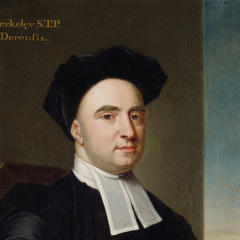
George Berkeley
George Berkeley, born on March 12, 1685, and died on January 12, 1753, was a renowned philosopher of the 18th century. He is best known for his idealist philosophy, advocating the view that existence is dependent on perception. His major works include 'Principles of Human Knowledge' and 'A New Theory of Vision'. more
You May Also Like
Source: Principles of Human Knowledge and Three Dialogues
Source: Berkeley: Philosophical Writings
“It is tempting to deny, but if you deny you confirm what you won't deny.”
Source: A Shorter Ego: Ego 4, Ego 5, Ego 6
Source: Selected Plays
“If the heart bleeds love, bare it, If the martyr's crown fits, wear it.”