Quotessence
Home / Quotes / Quote by Plutarch

Quote by Plutarch

“A human body in no way resembles those that were born for ravenousness; it hath no hawk's bill, no sharp talon, no roughness of teeth, no such strength of stomach or heat of digestion, as can be sufficient to convert or alter such heavy and fleshy fare . . . There is nobody that is willing to eat even a lifeless and a dead thing even as it is; so they boil it, and roast it, and alter it by fire and medicines, as it were, changing and quenching the slaughtered gore with thousands of sweet sauces, that the palate being thereby deceived may admit of such uncouth fare.”

Quote by Plutarch

Author
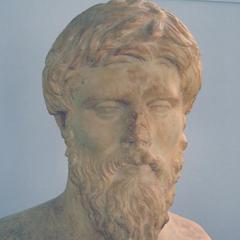
Plutarch
Plutarch

Plutarch, a renowned Greek historian and biographer, was born in 45 AD and died in 120 AD. His works are characterized by rigorous historical research and profound moral contemplation, having a profound impact on later generations. more

You May Also Like

“In all the round world of Utopia there is no meat. There used to be, but now we cannot stand the thought of slaughterhouses. And it is impossible to find anyone who will hew a dead ox or pig. I can still remember as a boy the rejoicings over the closing of the last slaughterhouse.”

“I do not see any reason why animals should be slaughtered to serve as human diet when there are so many substitutes. After all, man can live without meat. It is only some carnivorous animals that have to subsist on flesh. Killing animals for sport, for pleasure, for adventures, and for hides and furs is a phenomenon which is at once disgusting and distressing. There is no justification in indulging in such acts of brutality . . . Life is as dear to a mute creature as it is to a man. Just as one wants happiness and fears pain, just as one wants to live and not to die, so do other creatures.”

“King of the animals — as thou hast described him — I should rather say king of the beasts, thou being the greatest — because thou hast spared slaying them, in order that they may give thee their children for the benefit of the gullet, of which thou hast attempted to make a sepulchre for all animals; and I would say still more, if it were allowed me to speak the entire truth.”

“The wrongfulness, the immorality of eating animal food has been recognized by all mankind during all the conscious life of humanity. Why, then have people generally not come to acknowledge this law? The answer is that the moral progress of humanity is always slow; but that the sign of true, not casual Progress, is in uninterruptedness and its continual acceleration. And one cannot doubt that vegetarianism has been progressing in this manner”