“Although the progress of civilisation has undoubtedly contributed to assuage the fiercer passions of human nature, it seems to have been less favourable to the virtue of chastity, whose most dangerous enemy is the softness of the mind. The refinements of life corrupt while they polish the intercourse of the sexes. The gross appetite of love becomes most dangerous when it is elevated, or rather, indeed, disguised by sentimental passion.”
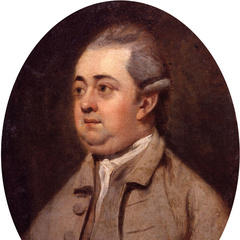
Quote by Edward Gibbon
“The elegance of dress, of motion, and of manners gives a lustre to beauty, and inflames the senses through the imagination. Luxurious entertainments, midnight dances, and licentious spectacles, present at once temptation and opportunity to female frailty. From such dangers the unpolished wives of the barbarians were secured by poverty, solitude, and the painful cares of a domestic life.”
Source: The history of the decline and fall of the Roman empire, with notes by Milman and Guizot. Ed. by W. Smith
“The German huts, open on every side to the eye of indiscretion or jealousy, were a better safeguard of conjugal fidelity than the walls, the bolts, and the eunuchs of a persian harem. To this reason, another may be added of a more honourable nature. The Germans treated their women with esteem and confidence, consulted them on every occasion of importance, and fondly believed that in their breasts resided a sanctity and wisdom more than human.”
Source: The Modern Library Essential World History 4-Book Bundle: The Decline and Fall of the Roman Empire (Abridged); Montcalm and Wolfe; History of the Conquest of Mexico; The Naval War of 1812
“The love of liberty was the ruling passion of these Germans; the enjoyment of it, their best treasure; the word that expressed that enjoyment the most pleasing to their ear. They deserved, they assumed, they maintained the honourable epithet of Franks or Freemen; which concealed, though it did not extinguish, the peculiar names of the several states of the confederacy.”
Source: The History of the Decline and Fall of the Roman Empire
“Such, indeed, is the policy of civil war: severely to remember injuries, and to forget the most important services. Revenge is profitable, gratitude is expensive.”
Source: The History of the Decline and Fall of the Roman Empire
“On the slightest touch the unsupported fabric of their pride and power fell to the ground. The expiring senate displayed a sudden lustre, blazed for a moment, and was extinguished for ever.”
Source: The History of the Decline and Fall of the Roman Empire
“The most distinguished merit of those two officers was their respective prowess, of the one in the combats of Bacchus, of the other in those of Venus.”
Source: The History of the Decline and Fall of the Roman Empire
“Philosophy, with the aid of experience, has at length banished the study of alchymy; and the present age, however desirous of riches, is content to seek them by the humbler means of commerce and industry.”
Source: The History of the Decline and Fall of the Roman Empire
“His sumptuous tents, and those of his satraps, afforded an immense booty to the conqueror; and an incident is mentioned which proves the rustic but martial ignorance of the legions in the elegant superfluities of life. A bag of shining leather, filled with pearls, fell into the hands of a private soldier; he carefully preserved the bag, but he threw away its contents, judging that whatever was of no use could not possibly be of any value.”
Source: The History of the Decline and Fall of the Roman Empire, 1
“It is seldom that minds long exercised in business have formed any habits of conversing with themselves, and in the loss of power they principally regret the want of occupation.”
Source: The History of the Decline and Fall of the Roman Empire
“The knowledge that is suited to our situation and powers, the whole compass of moral, natural, and mathematical science, was neglected by the new Platonists; whilst they exhausted their strength in the verbal disputes of metaphysics, attempted to explore the secrets of the invisible world, and studied to reconcile Aristotle with Plato, on subjects of which both these philosophers were as ignorant as the rest of mankind.”
Source: The History of the Decline and Fall of the Roman Empire