“The trouble is that we have a bad habit, encouraged by pedants and sophisticates, of considering happiness as something rather stupid. Only pain is intellectual, only evil interesting. This is the treason of the artist: a refusal to admit the banality of evil and the terrible boredom of pain.”
Quote by Ursula K. Le Guin
Author
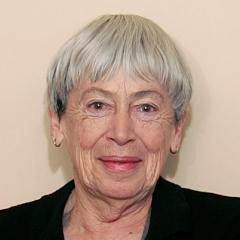
Ursula K. Le Guin
Ursula K. Le Guin, born on October 21, 1929, is an esteemed American author of science fiction and fantasy. Known for her profound philosophical insights, rich imagination, and unique narrative style, Le Guin's works have won numerous literary awards and have had a significant impact on science fiction and fantasy literature. Her most famous works include the 'Earthsea' series and 'The Left Hand of Darkness', which have won her awards such as the Nebula and Hugo Awards, and she has also received the National Book Award for lifetime achievement for her contributions to literature. more
You May Also Like
Source: The Philosophy of History
“As beautiful as the chance encounter of a sewing machine and an umbrella on an operating table.”
“He was assaulting the world by assaulting himself.”
Source: Choke: A Novel
Source: A Life in Letters
“I put tape on the mirrors in my house so I don't accidentally walk through into another dimension.”
“In the mountains of truth, you never climb in vain.”
Source: A Book For Free Spirits 2: Human Book
Source: The Gay Science: With a Prelude in Rhymes and an Appendix of Songs
“The only sure way to avoid making mistakes is to have no new ideas.”