“If you begin to understand what you are without trying to change it, then what you are undergoes a transformation.”
Quote by Jiddu Krishnamurti
Work
Think on these things
This book delves into the nature of thought, examining its role in shaping personal beliefs and societal norms. It encourages readers to reflect on the power of their own thoughts and the influence they can have on their lives and the world around them. more
Author
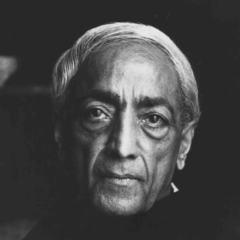
Jiddu Krishnamurti
Jiddu Krishnamurti was an Indian philosopher, speaker, and writer who lived from May 12, 1895, to February 17, 1986. He is known for his teachings on the nature of the mind, consciousness, and the path to enlightenment. Krishnamurti emphasized the importance of self-inquiry and the transformation of consciousness, and his work has had a significant impact on individuals from various walks of life. more
You May Also Like
Source: Clockwork Angel
“Looking for an entirely reliable informant is like looking for a chaste mistress.”
Source: The Infernal Devices: Clockwork Angel; Clockwork Prince; Clockwork Princess
Source: Clockwork Angel
Source: The Infernal Devices: Clockwork Angel; Clockwork Prince; Clockwork Princess
Source: Pale Blue Dot: A Vision of the Human Future in Space
Source: The Broom of the System: A Novel