Quotessence
Home / Quotes / Quote by Tom Sharpe

Quote by Tom Sharpe

“Meditó durante la hora de Reafirmación de Género para Mujeres Maduras, ninguna de las cuales necesitaba que le enseñaran a reafirmarse a sí misma. De hecho se reafirmaban tan estupendamente que lo único que tenía que hacer Wilt era dejar que hablaran.”

Quote by Tom Sharpe

Work

Wilt in Nowhere

Browse quotes and source details for this work. more

Author

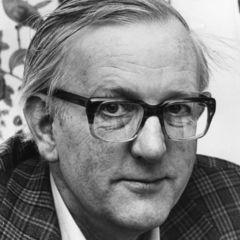
Tom Sharpe
Tom Sharpe

Tom Sharpe, born on March 30, 1928 and died on June 6, 2013, was a renowned British novelist. Known for his humor and satirical style, his works often set in the British society, featuring absurd storylines and unique humor, revealing the complexity of human nature and the contradictions of society. Sharpe's writing career began in the 1950s, and his novels have won the favor of readers with their humorous and satirical style. more

You May Also Like

“Arte efímero es la música pues se dan en el tiempo: se va deshaciendo a medida que se va haciendo. La pintura y la escultura, en cambio, ahí quedan, ahí están, porque se dan en el espacio. Su problema es que si alguien no las mira, no existen. ¿Y el sexo? Se da en el espíritu y en la carne proyectandose desde aquí hasta el Más Allá, hasta donde dé.”

“Entonces él se inclina sobre mí y rodamos enlazados al hueco del lecho. Su cuerpo me cubre como una grande ola hirviente, me acaricia, me quema, me penetra, me envuelve, me arrastra desfallecida. A mi garganta sube algo así como un sollozo, y no sé por qué empiezo a quejarme, y no sé por qué me es dulce quejarme, y dulce a mi cuerpo el cansancio infligido por la preciosa carga que pesa entre mis muslos...”

“As a convinced atheist, I ought to agree with Voltaire that Judaism is not just one more religion, but in its way the root of religious evil. Without the stern, joyless rabbis and their 613 dour prohibitions, we might have avoided the whole nightmare of the Old Testament, and the brutal, crude wrenching of that into prophecy-derived Christianity, and the later plagiarism and mutation of Judaism and Christianity into the various rival forms of Islam. Much of the time, I do concur with Voltaire, but not without acknowledging that Judaism is dialectical. There is, after all, a specifically Jewish version of the eighteenth-century Enlightenment, with a specifically Jewish name—the Haskalah—for itself. The term derives from the word for 'mind' or 'intellect,' and it is naturally associated with ethics rather than rituals, life rather than prohibitions, and assimilation over 'exile' or 'return.' It's everlastingly linked to the name of the great German teacher Moses Mendelssohn, one of those conspicuous Jewish hunchbacks who so upset and embarrassed Isaiah Berlin. (The other way to upset or embarrass Berlin, I found, was to mention that he himself was a cousin of Menachem Schneerson, the 'messianic' Lubavitcher rebbe.) However, even pre-enlightenment Judaism forces its adherents to study and think, it reluctantly teaches them what others think, and it may even teach them how to think also.”

“El sexo nos descubre. El sexo nos revela como somos. Por eso es tan estremecedor. Nos despoja de toda apariencia. Veo a una mujer prácticamente desnuda y agotada, necesitada, acariciando una botella de plástico que oprime entre las piernas. [...] Ella es el amor de su vida, su amante, su puta imperecedera. Él no tiene que hacer esa cosa innombrable que tanto desea hacer. Basta con que lo diga. Es así porque ambos están más allá de cualquier modelo de conducta establecida. A él le basta con decirlo. -Pues dilo. -Quiero follarte con la botella, muy despacio, con las gafas de sol puestas”

“El sexo es un invento absurdo que a pesar de serlo no aspira más que hincharse y penetrar. Se supone que tiene algo que ver con el amor, por lo menos ésa es su leyenda, pero el amor es un mito estimulante y aunque no lo fuese no podría tener relación alguna con el sexo. No mezclamos el amor con la comida, ¿verdad? Ni con el hipo o sonarse la nariz. ¿Y con la respiración? o con la circulación de la sangre o el funcionamiento del hígado. Entonces, ¿por qué relacionarlo con nuestro curioso impulso a meter partes de nosotros mismos dentro del cuerpo de otras personas? ¿O con ese otro impulso igualmente curioso de apretar nuestra maloliente boca y picados dientes en orificios igualmente blanduchos y salivosos de otros cuerpos?”

“Ian colgó el teléfono y me besó. Me apretó más fuerte contra su cuerpo y con su mano libre me tomó del cuello, sin ninguna prisa. Sus labios jugaron con los míos, su lengua paseaba con ligereza por mi boca, suavemente metió su mano bajo mi suéter. Acarició mi cintura, mi abdomen. Su otra mano la acompañó y recorrieron mi espalda. Yo coloqué mis brazos alrededor de su cuello, enredé mis manos en su cabello y lo atraje hacia mí.”