“There is nothing, in itself, valuable or despicable, desirable or hateful, beautiful or deformed; but that these attributes arise from the particular constitution and fabric of human sentiment and affection.”
Quote by David Hume
Work
Delphi Complete Works of David Hume (Illustrated)
The Delphi Complete Works of David Hume (Illustrated) is a meticulously curated compilation of Hume's extensive writings, covering his philosophical, historical, and political essays. This illustrated edition aims to provide readers with a rich and accessible experience of Hume's intellectual contributions, featuring detailed illustrations that complement the text. more
Author
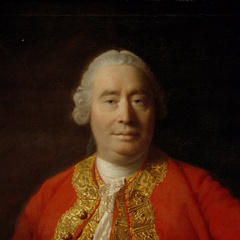
David Hume
David Hume, born on May 7, 1711, in Edinburgh, Scotland, and died on August 25, 1776, was an outstanding philosopher, historian, and economist. Known for his contributions to empiricism and skepticism, his works have had a profound impact on subsequent philosophy, economics, and psychology. more
You May Also Like
“And perhaps, posterity will thank me for having shown that the ancients did not know everything.”
Source: Maxwell on Molecules and Gases
Source: The Works of Francis Bacon, Baron of Verulam, Viscount St. Alban, and Lord High Chancellor of England: In Five Volumes
“The thing that's important to know is that you never know. You're always sort of feeling your way.”