Quotessence
Home / Quotes / Quote by James Boswell

Quote by James Boswell

Work

Boswell: the ominous years, 1774-1776

This book delves into the significant events and personal challenges faced by James Boswell during the years 1774 to 1776, offering a detailed look into his life and times. more

Author
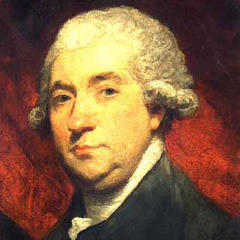
James Boswell
James Boswell

James Boswell, born on October 29, 1740, and died on May 19, 1795, was a Scottish lawyer and writer. He is best known for his biography, 'The Life of Samuel Johnson,' which provides a detailed account of the life and thoughts of the 18th-century British writer Samuel Johnson. more

You May Also Like

“Writing a book I have found to be like building a house. A man forms a plan, and collects materials. He thinks he has enough to raise a large and stately edifice; but after he has arranged, compacted and polished, his work turns out to be a very small performance. The authour however like the builder, knows how much labour his work has cost him; and therefore estimates it at a higher rate than other people think it deserves”

“Boswell, when he speaks of his Life of Johnson, calls it my magnum opus, but it may more properly be called his opera, for it is truly a composition founded on a true story, in which there is a hero with a number of subordinate characters, and an alternate succession of recitative and airs of various tone and effect, all however in delightful animation.”

“People, I just want to say, you know, can we all get along? Can we get along? Can we stop making it, making it horrible for the older people and the kids? A man cannot know himself better than by attending to the feelings of his heart and to his external actions, from which he may with tolerable certainty judge "what manner of person he is." I have therefore determined to keep a daily journal.”

“To abolish a status, which in all ages God has sanctioned, and man has continued, would not only be robbery to an innumerable class of our fellow-subjects; but it would be extreme cruelty to the African Savages, a portion of whom it saves from massacre, or intolerable bondage in their own country, and introduces into a much happier state of life; especially now when their passage to the West-Indies and their treatment there is humanely regulated.”

“Addison writes with the ease of a gentleman. His readers fancy that a wise and accomplished companion is talking to them; so thathe insinuates his sentiments and taste into their minds by an imperceptible influence. Johnson writes like a teacher. He dictates to his readers as if from an academical chair. They attend with awe and admiration; and his precepts are impressed upon them by his commanding eloquence. Addison's style, like a light wine, pleases everybody from the first. Johnson's, like a liquor of more body, seems too strong at first, but, by degrees, is highly relished.”