“The happy phrasing of a compliment is one of the rarest of human gifts, and the happy delivery of it another.”
Quote by Mark Twain
Work
Mark Twain's Own Autobiography: The Chapters from the North American Review
Mark Twain's Own Autobiography is a compilation of his personal essays and anecdotes, offering insights into his life and thoughts. The book provides a glimpse into the author's experiences and perspectives, reflecting on his time and the society of his era. more
Author
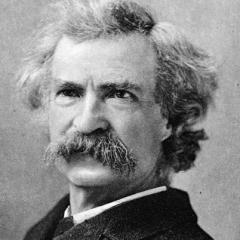
Mark Twain
Mark Twain, born Samuel Langhorne Clemens, was a renowned American author and humorist in the 19th century. His works are characterized by humor, satire, and profound social insight, with notable novels such as 'The Adventures of Tom Sawyer' and 'The Adventures of Huckleberry Finn'. more
You May Also Like
Source: The life of Samuel Johnson, LL. D., comprehending an account of his studies, and numerous works, in chronological order: a series of his epistolary correspondence and conversations with many eminent persons; and various original pieces of his composition, never before published; the whole exhibiting a view of literature and literary men in Great Britain, for near half a century during which he flourished
“Emotions have no place in business, unless you do business with them.”
Source: The Life of Samuel Johnson, LL. D.: Including a Journal of a Tour to the Hebrides
Source: The beauties of Samuel Johnson, LL. D.: consisting of maxims and observations, moral, critical, and miscellaneous: to which are now added biographical anecdotes of the doctor, selected from the works of Mrs. Piozzi;--his Life, recently published by Mr. Boswell, and other authentic testimonies; also his will, and the sermon he wrote for the late Doctor Dodd
Source: Lives
Source: The beauties of Samuel Johnson, LL. D.: consisting of maxims and observations, moral, critical, and miscellaneous: to which are now added biographical anecdotes of the doctor, selected from the works of Mrs. Piozzi;--his Life, recently published by Mr. Boswell, and other authentic testimonies; also his will, and the sermon he wrote for the late Doctor Dodd
Source: The Works of Samuel Johnson, LL.D.: With An Essay on His Life and Genius
Source: The Beauties of Samuel Johnson, Etc. (A New Edition, Being the Ninth.).
Source: The Wisdom of the Rambler, Adventurer, and Idler
Source: The Rambler