“Most [people] see education only as the means by which a person is transported from one economic plane to a higher one.”
Quote by Richard M. Weaver
Work
In defense of tradition: collected shorter writings of Richard M. Weaver, 1929-1963
This collection brings together Richard M. Weaver's insightful shorter writings, reflecting on the importance of tradition and its role in shaping cultural identity. The works span the period from 1929 to 1963, offering a glimpse into Weaver's intellectual evolution and his contributions to the discourse on tradition and its preservation. more
Author
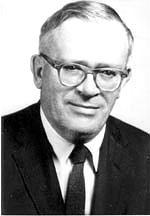
Richard M. Weaver
Richard M. Weaver was an influential American philosopher, born on March 3, 1910, and died on April 1, 1963. He is known for his profound insights into language, culture, and political philosophy, particularly for his work 'The Language of Art', which explored the nature of language and its relationship to reality. more
You May Also Like
“Poetry offers the fairest hope of restoring our lost unity of mind.”
Source: Ideas Have Consequences: Expanded Edition
Source: Ideas Have Consequences
Source: Ideas Have Consequences: Expanded Edition
Source: In defense of tradition: collected shorter writings of Richard M. Weaver, 1929-1963
Source: Ideas Have Consequences: Expanded Edition
Source: Ideas Have Consequences: Expanded Edition
Source: The Ethics of Rhetoric
Source: In defense of tradition: collected shorter writings of Richard M. Weaver, 1929-1963