Quotessence
Home / Quotes / Quote by Chimamanda Ngozi Adichie

Quote by Chimamanda Ngozi Adichie

Author
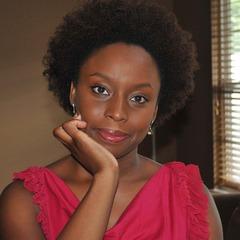
Chimamanda Ngozi Adichie

Chimamanda Ngozi Adichie is a renowned Nigerian author whose works delve into the intricacies of African life and identity. Born on September 15, 1977, she has garnered international recognition for her novels and short stories. more

You May Also Like

“The last line of defense in support of freedom and the Constitution consists of the people themselves. If the people want to be free, if they want to lift themselves out from underneath a state apparatus that threatens their liberties, squanders their resources on needless wars, destroys the value of the dollar, and spews forth endless propaganda about how indispensable it is and how lost we would all be without it, there is no force that can stop them.”

“When I was a student at Cambridge I remember an anthropology professor holding up a picture of a bone with 28 incisions carved in it. "This is often considered to be man's first attempt at a calendar" she explained. She paused as we dutifully wrote this down. 'My question to you is this - what man needs to mark 28 days? I would suggest to you that this is woman's first attempt at a calendar. It was a moment that changed my life. In that second I stopped to question almost everything I had been taught about the past. How often had I overlooked women's contributions?”

“Leadership is scarce because few people are willing to go through the discomfort required to lead. This scarcity makes leadership valuable...It's uncomfortable to stand up in front of strangers. It's uncomfortable to propose an idea that might fail. It's uncomfortable to challenge the status quo. It's uncomfortable to resist the urge to settle...If you're not uncomfortable in your work as a leader, it's almost certain you're not reaching your potential as a leader.”

“If men were able to be convinced that art is a precise advance knowledge of how to cope with the psychic and social consequences of the next technology, would they all become artist? Or would they begin a careful translation of new art forms into social navigation charts? I am curious to know what would happem if art were suddenly seen for what it is, namely, exact information of how to rearrange one's psyche in order to anticipate the next blow from our own extended faculties.”