“[Harriet] hated math. She hated math with every bone in her body. She spent so much time hating it that she never had time to do it.”
Book:Harriet the Spy
“[Harriet] hated math. She hated math with every bone in her body. She spent so much time hating it that she never had time to do it.”
This book is a classic in children's literature, chronicling the mischievous and imaginative life of Harriet M. Welsch, a young girl who embarks on a secret life as a spy. Through her observations and diary entries, readers are introduced to the complexities of friendship, family, and the challenges of growing up. more
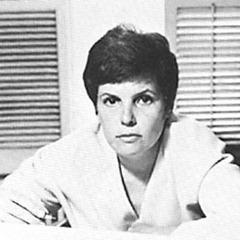
Louise Fitzhugh (October 5, 1928 – November 19, 1974) was an American author and illustrator, best known for her classic children's novel Harriet the Spy. Born in Memphis, Tennessee, she grew up in New York City and studied art at Bard College and Cooper Union. Fitzhugh's works are noted for their psychological depth and rebellious spirit, challenging traditional gender and family norms in children's literature. Harriet the Spy, published in 1964, remains a beloved and influential book, adapted into films and TV series. She died of a brain aneurysm at age 46, but her legacy endures in the world of children's literature. more
“The wounds received in battle bestow honor, they do not take it away.”
“Let us have wine and women, mirth and laughter, sermons and soda water the day after.”
“My affection hath an unknown bottom, like the Bay of Portugal.”