“... we have broken down the self-respecting spirit of man with nursery tales and priestly threats, and we dare to assert, that inproportion as we have prostrated our understanding and degraded our nature, we have exhibited virtue, wisdom, and happiness, in our words, our actions, and our lives!”
Quote by Frances Wright
Work
Course of popular lectures as delivered by Frances Wright: with three addresses on various public occasions, and a reply to the charges against the French reformers of 1789. Second edition
Frances Wright, an influential figure of her time, delivers a series of lectures and addresses in this book. These lectures cover a range of public issues and are accompanied by a detailed response to the charges leveled against the French reformers of 1789. The second edition of the book offers a revised and updated version of Wright's original work. more
Author
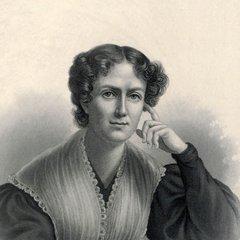
Frances Wright
Frances Wright was an American writer and social reformer, born on September 6, 1795, and died on December 13, 1852. She is known for her advocacy of women's rights, abolition of slavery, and socialist ideas. more
You May Also Like
Source: Course of popular lectures as delivered by Frances Wright: with three addresses on various public occasions, and a reply to the charges against the French reformers of 1789. Second edition
Source: Course of popular lectures; with 3 addresses on various public occasions, and a reply to the charges against the French reformers of 1789
Source: Course of popular lectures; with 3 addresses on various public occasions, and a reply to the charges against the French reformers of 1789
Source: Course of popular lectures
Source: Views of society and manners in America: in a series of letters from that country to a friend in England, during the years 1818, 1819, and 1820