“As the pain that can be told is but half a pain, so the pity that questions has little healing in its touch.”
Quote by Edith Wharton
Work
The House of Mirth: Edith Wharton
Edith Wharton's 'The House of Mirth' is a poignant and insightful exploration of the lives of the wealthy in late 19th century New York. The story follows the protagonist, Lily Bart, as she navigates the complexities of high society and grapples with her own personal demons. The novel delves into themes of class, ambition, and the human condition, offering a rich tapestry of social commentary and psychological depth. more
Author
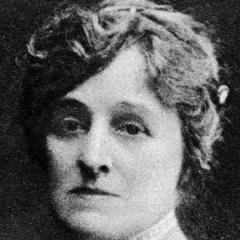
Edith Wharton
American novelist known for her delicate psychological portrayals and profound social insights. Edith Wharton came from a wealthy New York family and her works mainly reflect the American society at the end of the 19th century and the beginning of the 20th century. Her representative works include 'The Age of Innocence' and 'The House of Mirth' among others. more
You May Also Like
Source: Adam Bede
Source: Four Novels of George Eliot
Source: The Valley of Fear
Source: Sherlock Holmes - The Novels: A Study in Scarlet, The Sign of the Four, The Hound of the Baskervilles, The Valley of Fear
Source: Dickens Ultimate Christmas Collection: The Greatest Stories & Novels for Christmas Time: A Christmas Carol, Doctor Marigold, Oliver Twist, Tom Tiddler's Ground, The Holly-Tree and more (Illustrated): The Best Loved Christmas Classics in One Volume
“Any country that accepts abortion is the poorest of the poor”
“Send me one hundred francs on our future deals, otherwise I will disappear in a cataclysm.”