“To your generation, I must represent the literary equivalent of tufted furniture and gas chandeliers.”
Quote by Edith Wharton
Work
The letters of Edith Wharton
This volume gathers the written correspondence of Edith Wharton, one of the foremost American writers of the early twentieth century. The letters span her extensive network of relationships with family members, fellow authors, publishers, and friends, documenting her experiences across multiple countries and decades. They reveal her perspectives on the craft of fiction, her observations of European and American society, and her responses to the historical events she witnessed. The collection serves as a primary source for understanding Wharton's development as a writer, her editorial relationships, her architectural and gardening interests, and her commentary on the changing world around her. Scholars and general readers consult these letters to gain a more intimate understanding of the author behind such novels as The Age of Innocence and The House of Mirth. more
Author
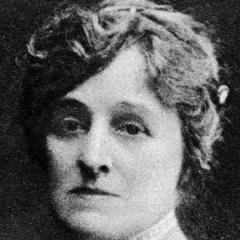
Edith Wharton
American novelist known for her delicate psychological portrayals and profound social insights. Edith Wharton came from a wealthy New York family and her works mainly reflect the American society at the end of the 19th century and the beginning of the 20th century. Her representative works include 'The Age of Innocence' and 'The House of Mirth' among others. more
You May Also Like
“We are enslaved by anything we do not consciously see. We are freed by conscious perception.”
Source: The Complete Works of Robert Louis Stevenson: Novels, Short Stories, Poems, Plays, Memoirs, Travel Sketches, Letters and Essays (Illustrated Edition): The Entire Opus of Scottish novelist, poet, essayist and travel writer, containing Treasure Island, Strange Case of Dr Jekyll and Mr Hyde, Kidnapped, Catriona and A Child's Garden of Verses
Source: The Best of Brain Droppings
“I do something about the weather. I stay home.”
Source: 3 x Carlin: An Orgy of George including Brain Droppings, Napalm and Silly Putty, and When Will Jesus Bring the Pork Chops?
“I don't think we really gave barbarism a fair try.”
Source: 3 x Carlin: An Orgy of George including Brain Droppings, Napalm and Silly Putty, and When Will Jesus Bring the Pork Chops?
“I grew up in New York wanting to be like those funny men in the movies and on the radio.”