“Poetry has historically been allied with religion and morals; it has served the purpose of penetrating the mysterious depths of things.”
Quote by John Dewey
Work
Democracy And Education
This seminal work delves into the intersection of democracy and education, examining how democratic principles can influence and be influenced by educational institutions and curricula. The author critically analyzes the historical and contemporary aspects of democratic education, offering insights into the development of democratic societies through education. more
Author
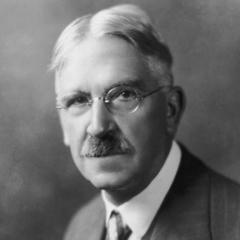
John Dewey
John Dewey was an American philosopher and educator, born on October 20, 1859, and died on June 1, 1952. He was a leading figure in the philosophy of pragmatism and had a profound impact on 20th-century education, philosophy, and the social sciences. more
You May Also Like
Source: Democracy And Education
Source: Democracy and Education: Top American Authors
Source: Democracy and Education: Top American Authors
Source: Democracy And Education
Source: Democracy And Education
Source: Democracy and Education: Top American Authors
Source: Democracy and Education: Top American Authors