“I love the combination of smartness, pain, and what one might call conscious postmodern trashiness in this book: a version of the erotic full of nervous tension which animates the sensuality, and also Zimroth's feeling for words, compressed, ironic, withholding, but also 'asking for it . . . the siege, the thrill, the battle fatigue.' A profoundly urban book, of harsh memory and fantasy, set in harsher reality.”
Quote by Alicia Ostriker
Author
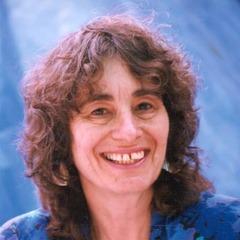
Alicia Ostriker
Alicia Ostriker (pronounced ah-LEE-see-ah OSS-tri-ker; commonly rendered in English simply as Alicia Ostriker), born on November 11, 1937, is a major American poet, critic, and feminist literary thinker whose work has helped redefine the possibilities of lyric poetry in the United States. Emerging from the postwar literary landscape, she became one of the most authoritative voices in contemporary women’s poetry, known for her intellectually rigorous, emotionally alert, and formally lucid writing. Her poems repeatedly engage domestic life, motherhood, female embodiment, marriage, aging, Jewish identity, biblical language, political violence, and the moral pressures of history, turning private experience into a site of public and philosophical inquiry. Ostriker’s importance lies not only in her poetry but also in her influential criticism. Her landmark study Stealing the Language: The Emergence of Women’s Poetry in America became a foundational text in feminist literary studies, offering a powerful account of how women poets have claimed, revised, and transformed a literary language historically shaped by male authority. Another major line of her work concerns Jewish and biblical interpretation, where she rereads sacred tradition from a feminist perspective, challenging patriarchal assumptions while remaining in deep dialogue with the cultural and spiritual inheritance of Judaism. As a poet, Ostriker is admired for her conversational clarity, intellectual density, and ethical seriousness. Her verse often moves from the intimate to the political, from domestic detail to metaphysical questioning, without sacrificing tonal control or emotional precision. Over several decades she has published numerous acclaimed collections, including The Mother/Child Papers, The Volcano Sequence, Dark Fields of the Republic, and No Heaven. She has also taught for many years at New York University, shaping generations of students and readers. In contemporary American letters, Alicia Ostriker stands as a writer whose poetry and criticism together form a sustained argument for the dignity of women’s experience, the power of revised tradition, and the enduring capacity of lyric art to think as well as feel. more
You May Also Like
Source: Letters at 3am: reports on endarkenment