Quotessence
Home / Quotes / Quote by Isaac Asimov

Quote by Isaac Asimov

“En mi respuesta le decía: "Avram, tú y yo somos judíos que vivimos en un país que es no judío en un noventa y cinco por ciento y nos las arreglamos bastante bien. Me pregunto cómo nos desenvolveríamos, Avram, si fuéramos gentiles y viviéramos en un país con un noventa y cinco por ciento de judíos ortodoxos." Memorias”

Quote by Isaac Asimov

Author
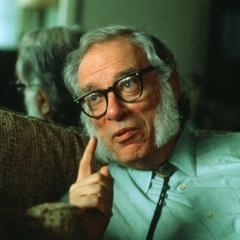
Isaac Asimov
Isaac Asimov

Isaac Asimov, born on January 2, 1920 in Poland and died on April 6, 1992 in the United States, was a renowned American science fiction author, science writer, and literary critic, known as the 'Father of Science Fiction'. His works covered a wide range of science fiction themes, including robots, space exploration, and time travel, and had a profound impact on science fiction literature and the popularization of science. more

You May Also Like

“Quizá en el corazón de cada uno de los que ahora desean nuestro mal se remuevan motivos distintos para odiarnos. Algunos serán campesinos que después de un mal año tienen que pagar de todas formas sus impuestos. En el fondo de su ser desearían maldecir al rey o incluso al cielo por su desdicha, pero tienen miedo a llegar tan lejos en sus injurias y se limitan a desear la desgracia del recaudador de impuestos que, a veces, es un judío. Otros son tan pobres que saben que por debajo de ellos no existe nadie a quien puedan contemplar como a alguien inferior y más desafortunado. También a ésos les agrada descubrir la existencia de gentes a las que mirar con desprecio por encima del hombro, de gentes como nosotros. Luego están los resentidos que se creen maltratados injustamente por la vida a la vez que piensan que otros han recibido lo que ellos debían poseer con más merecimientos. De buena gana se revolverían contra los nobles, los labradores acomodados o los comerciantes ricos para robarles lo que tienen, pero su cobardía se lo impide. Para ellos los judíos somos la presa ideal porque poco o nada podemos defendernos...”

“Later in the nineteenth and twentieth centuries, progressive Cubans were happy to downplay the survival of the Indians since those who promoted indigenismo, and sought to praise and promote Cuba's Indian heritage, were usually conservative racists who wanted to glorify the Indian past and downgrade the contribution of the black African element in the population. Novelists in the nineteeth century, anxios to preserve Hispanic culture, often sought Indian images for their historical fiction as a counterweight to the arguments of those who exalted Cuba's African heritage.”

“I know time. I know time differently now. I know it because I am unlearning it. I know it because the baby is teaching me that the rhythms of the clock and the calendar, and even the most elemental diurnal patterns – they don’t go without saying: they are acquired, if not violently imposed. It is a lived and not an abstract form of knowledge that comes from living alongside a beginner – the way the days can all of a sudden feel like they're undivided, divided by nothing, only water.”

“indigenismo can subvert the colonized mentality found among mestizo peoples that elevates the European and denigrates the Indian. For Chicano/a youth, discovering they have roots in indigenous, often advanced, pre-Columbian cultures can help develop a sense of potential empowerment. "My ancestors invented rubber? Wow!" exclaimed one incredulous Los Angeles gang member to a youth counselor telling him about ancient Mexico and the Olmecas (who didn't exactly invent rubber, since Nature was the inventor, but who surely did develop it). Such discoveries can be a first step toward understanding and respecting the worldview of indigenous peoples.”

“I have known many true connoisseurs, with excellent tastes that range across the humanities and the culinary arts--and they never fail to have a fatal effect on my self-esteem. When I find myself sitting at dinner next to someone who knows just as much about novels as I do but has somehow also found the mental space to adore and be knowledgeable about the opera, have strong opinions about the relative rankings of Renaissance painters, an encyclopedic knowledge of the English civil war, of French wines--I feel an anxiety that nudges beyond the envious into the existential. How did she find the time?”

“Jeg henvender mig til disken og spør efter kognak. Manden ved disken forstår mig og sætter ned en flaske. Den har et mig ubekjent mærke, og det står Odessa på den. Tvi! sier jeg; har han ikke andet? Det forstår han ikke. Jeg langer selv op i hylden og finder mig en anden kognakflaske. Den viser sig å være av samme Odessamærke, men har fem stjærner. Jeg ser på den og anskuer den og finder den simpel. Om han ikke har bedre? Det forstår han ikke. Jeg tæller stjærner for ham, at det er fem, og føier til et par selv med blyant. Det forstår han. Han kommer virkelig med en seksstjærnet Odessaflaske. Hvad koster den? Fire og en halv rubel. Og den foregående? Tre og en halv. Det er en rubel pr.stjærne. Men jeg tok allikevel den med fem stjærner, og det viste sig å være en lynende stærk kognak som jeg fik sove av. Og idag er jeg trods alle kloke koners og alle turisters visdom bedre av feberen skjønt jeg drak kognak inat.”