“But we who live in prison, and in whose lives there is no event but sorrow, have to measure time by throbs of pain, and the record of bitter moments. We have nothing else to think of. Suffering ― curious as it may sound to you ― is the means by which we exist, because it is the only means by which we become conscious of existing; and the remembrance of suffering in the past is necessary to us as the warrant, the evidence, of our continued identity.”
Quote by Oscar Wilde
Work
Complete Works of Oscar Wilde
Browse quotes and source details for this work. more
Author
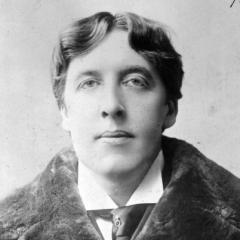
Oscar Wilde
Oscar Wilde, born on October 16, 1854, in Ireland, and died on November 30, 1900, was a renowned Irish writer, playwright, and poet. His works are known for their wit, satire, and unique style, with notable works including 'The Picture of Dorian Gray' and 'Lady Windermere's Fan'. more
You May Also Like
“I understood that I was suffering because I couldn't make anyone else around me feel better.”
Source: The Elegance of the Hedgehog
Source: My Ancestor Was an Ancient Astronaut
Source: The White Witch
Source: Infinite Jest
“I was beginning to think that in life there might be some suffering that was worth enduring.”
Source: Even Silence Has An End: My Six Years of Captivity in the Colombian Jungle
Source: The Dispossessed: An Ambiguous Utopia
“It is not those who can inflict the most but those who can endure the most who will conquer.”
Source: Principles of Freedom