Quotessence
Home / Quotes / Quote by Elizabeth Goudge

Quote by Elizabeth Goudge

“I loathe, detest, hate and abominate the block, the gibbet, the rack, the pillory and the faggots with equal passion," said the old man vehemently. "Not only are they devilishly cruel but they are not even common sense. They do not lesson the evil in the world, they increase it, by making those who handle these cruelties as wicked as those who suffer them. No, I'm wrong, more wicked, for there is always some expiation made in the endurance of suffering and none at all in the infliction of it.”

Quote by Elizabeth Goudge

Work

The White Witch

This book delves into the adventures and conflicts surrounding the enigmatic White Witch, a figure of significant power and influence in a fantastical realm. more

Author

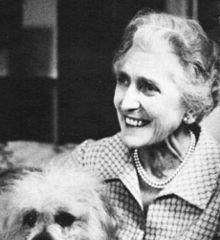
Elizabeth Goudge
Elizabeth Goudge

Elizabeth Goudge was a British author born on April 24, 1900, in Kent, England, and passed away on April 1, 1984. Known for her delicate emotions and rich imagination, her works mainly include historical novels and fantasy novels. Goudge's writing often explores themes of humanity, faith, and morality, which have won her a wide audience. more

You May Also Like

“He could do the dextral pain the same way: Abiding. Here was a second right here: he endured it. What was undealable-with was the thought of all the instants all lined up and stretching ahead, glittering. And the projected future fear. ... It's too much to think about. To Abide there. But none of it's as of now real. ... He could just hunker down in the space between each heartbeat and make each heartbeat a wall and live in there. Not let his head look over. What's unendurable is what his own head could make of it all. ... But he could choose not to listen.”

“I remember an hypothesis argued upon by the young students, when I was at St. Omer's, and maintained with much learning and pleasantry on both sides, 'Whether supposing that the flavour of a big who obtained his death by whipping (per flagellationem extremem) superadded a pleasure upon the palate of a man more intense than any possible suffering we can conceive in the animal, is man justified in using that method of putting an animal to death?' I forget the decision.”