Quotessence
Home / Quotes / Quote by Ralph Waldo Emerson

Quote by Ralph Waldo Emerson

Work

The Selected Works of Ralph Waldo Emerson

This comprehensive volume includes a selection of Ralph Waldo Emerson's most influential writings, showcasing his thoughts on individualism, transcendentalism, and the importance of self-reliance. Emerson's essays, such as 'Self-Reliance' and 'Nature,' are considered foundational texts in American literature and philosophy. more

Author
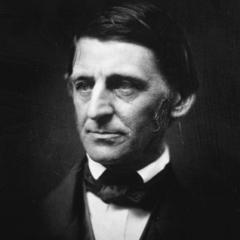
Ralph Waldo Emerson
Ralph Waldo Emerson

American essayist, poet, and philosopher. Born on May 25, 1803, and died on April 27, 1882. Known for his transcendentalist philosophy, his works have had a profound impact on literature and the intellectual world. more

You May Also Like

“To wade in marshes and sea margins is the destiny of certain bird, and they are so accurately made for this that they are imprisoned in those places. Each animal out of its habitat would starve. To the physician, each man, each woman, is an amplification of one organ. A soldier, a locksmith, a bank-clerk, and a dancer could not exchange functions. And thus we are victims of adaptation.”

“Nature and books belong to the eyes that see them. It depends on the mood of the man, whether he shall see the sunset or the fine poem. There are always sunsets, and there is always genius; but only a few hours so serene that we can relish nature or criticism. The more or less depends on structure or temperament. Temperament is the iron wire on which the beads are strung. Of what use is fortune or talent to a cold and defective store?”

“Some men at the approach of a dispute neigh like horses. Unless there be an argument, they think nothing is doing. Some talkers excel in the precision with which they formulate their thoughts, so that you get from them somewhat to remember; others lay criticism asleep by a charm. Especially women use words that are not words,--as steps in a dance are not steps,--but reproduce the genius of that they speak of; as the sound of some bells makes us think of the bell merely, whilst the church chimes in the distance bring the church and its serious memories before us.”

“The refining influence is the study of art, which is the science of beauty; and I find that every man values every scrap of knowledge in art, every observation of his own in it, every hint he has caught from another. For the laws of beauty are the beauty of beauty, and give the mind the same or a higher joy than the sight of it gives the senses. The study of art is of high value to the growth of the intellect.”

“Nothing will supply the want of sunshine to peaches, and, to make knowledge valuable, you must have the cheerfulness of wisdom. Whenever you are sincerely pleased you are nourished. The joy of the spirit indicates its strength. All healthy, things are sweet-tempered. Genius works in sport, and goodness smiles to the last.”

“What art can paint or gild any object in after life with the glow which nature gives to the first baubles of childhood? St. Peter's cannot have the magical power over us that the red and gold covers of our first picture-book possessed.”