“But as his head cleared, Colin heard another sound, so beautiful that he never found rest again; the sound of a horn, like the moon on snow, and another answered it from the limits of the sky; and through the Brollachan ran silver lightnings, and he heard hoofs, and voices calling, “We ride! We ride!” and the whole cloud was silver, so that he could not look. The hoof-beats drew near, and the earth throbbed. Colin opened his eyes. Now the cloud raced over the ground, breaking into separate glories that whispered and sharpened to skeins of starlight, and were horsemen, and at their head was majesty, crowned with antlers, like the sun. But as they crossed the valley, one of the riders dropped behind, and Colin saw that it was Susan. She lost ground, though her speed was no less, and the light that formed her died, and in its place was a smaller, solid figure that halted, forlorn, in the white wake of the riding. The horsemen climbed from the hillside to the air, growing vast in the sky, and to meet them came nine women, their hair like wind. And away they rode together across the night, over the waves, and beyond the isles, and the Old Magic was free for ever, and the moon was new.”
Quote by Alan Garner
Author
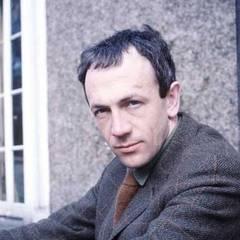
Alan Garner
Alan Garner, a British novelist born on October 17, 1934, is renowned for his imaginative works and deep portrayal of the English countryside. His books, particularly those in the genres of children's literature and fantasy, are celebrated for their unique narrative style, blending history, mythology, and folklore. more
You May Also Like
Source: Radha
“Nothing good can come from trying to guess the gods' minds.”
Source: Domna, Part One: The Sun God's Daughter
“Sirius looked about as intelligent as the temple cats who liked to chase their own tails.”
Source: Domna, Part One: The Sun God's Daughter
Source: The Solon's Son
Source: Dead Toad Scrolls
Source: Guardian of the Auras
“Never sleep with a lady only once, especially in the case of an older lady. -'Rhett”
Source: Knight's Fork
Source: America Before: The Key to Earth's Lost Civilization
Source: Dead Toad Scrolls