“A long time ago, in a town with which I used to be familiarly acquainted, there dwelt an elderly person of grim aspect, known by the name and title of Doctor Grimshawe, whose household consisted of a remarkably pretty and vivacious boy, and a perfect rosebud of a girl, two or three years younger than he, and an old maid of all work, of strangely mixed breed, crusty in temper and wonderfully sluttish in attire.”
Quote by Nathaniel Hawthorne
Work
Delphi Complete Works of Nathaniel Hawthorne (Illustrated)
The Delphi Complete Works of Nathaniel Hawthorne (Illustrated) is a meticulously curated compilation of the author's extensive body of work. It features a variety of his most renowned novels such as 'The Scarlet Letter' and 'The House of the Seven Gables,' alongside a selection of his short stories and other writings. Each piece is accompanied by illustrative imagery, enhancing the reader's experience of Hawthorne's rich and complex narratives. This collection is a must-have for fans of American literature and those interested in exploring the works of one of the nation's most celebrated authors. more
Author
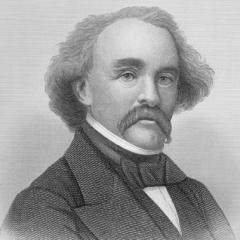
Nathaniel Hawthorne
Nathaniel Hawthorne was an American novelist known for his Gothic novels and romantic works. His writings often delve into themes of morality and sin, influenced by his family history and Puritan background. more
You May Also Like
Source: Complete Novels of Nathaniel Hawthorne (Illustrated Edition): Fanshawe, The Scarlet Letter with its Adaptation, The House of the Seven Gables, The Blithedale Romance, The Marble Faun, The Dolliver Romance, Septimius Felton, Grimshawe's Secret and Biography
Source: The Complete Works of Nathaniel Hawthorne: Novels, Short Stories, Poems, Essays, Letters and Memoirs (Illustrated): The Scarlet Letter with its Adaptation, The House of the Seven Gables, The Blithedale Romance, Tanglewood Tales, Birthmark, Ghost of Doctor Harris… (Including Biographies and Literary Criticism)
Source: The Blithedale Romance
“The Christian faith is a grand cathedral with divinely pictured windows.”
Source: The Marble Faun
Source: Mosses from an Old Manse
Source: The house of the seven gables
“Death possesses a good deal, of real estate, namely, the graveyard in every town.”