“Heavenly Father and Mother, make us thankful for all the blessings of this life, and make us ever mindful of the patient hands that oft in weariness spread our tables and prepare our daily food. For humanity's sake, Amen.”
Quote by Elizabeth Cady Stanton
Work
Elizabeth Cady Stanton as Revealed in Her Letters, Diary and Reminiscences
This volume compiles letters, diary entries, and reminiscences by Elizabeth Cady Stanton, a leading figure in the early women's suffrage movement in the United States. The materials provide a firsthand perspective on her personal experiences, intellectual development, and activism, including her work on the Declaration of Sentiments and her collaborations with other reformers. The book serves as a primary source for understanding Stanton's views on gender equality, social reform, and her role in the broader struggle for women's rights. more
Author
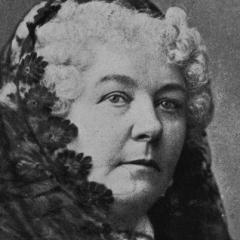
Elizabeth Cady Stanton
Elizabeth Cady Stanton, born on November 12, 1815, and died on October 26, 1902, was a pioneering American activist for women's rights. She was a key figure in the women's rights movement, known for her dedication to the fight for women's suffrage and gender equality. more
You May Also Like
Source: History of Woman Suffrage ...: 1883-1900
Source: The Elizabeth Cady Stanton-Susan B. Anthony reader: correspondence, writings, speeches
“All honor to the noble women that have devoted earnest lives to the intellectual needs of mankind!”
Source: Our Famous Women: An Authorized Record of the Lives and Deeds of Distinguished American Women of Our Times ...
Source: Elizabeth Cady Stanton as Revealed in Her Letters, Diary and Reminiscences
Source: The Selected Papers of Elizabeth Cady Stanton and Susan B. Anthony: Against an aristocracy of sex, 1866 to 1873
Source: History of Women Suffrage
Source: History of woman suffrage