Quotessence
Home / Quotes / Quote by Seneca the Younger

Quote by Seneca the Younger

“Successful crime is dignified with the name of virtue; the good become the slaves of the wicked; might makes right; fear silences the power of the law.”

Quote by Seneca the Younger

Author
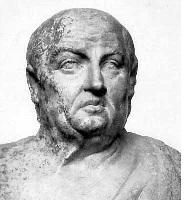
Seneca the Younger
Seneca the Younger

Seneca the Younger (4 BC - 65 AD) was a renowned Roman philosopher, statesman, and playwright. Born into a wealthy Roman family, he served as a government official in the Roman Empire. Seneca's philosophy was deeply influenced by Stoicism, and his works have had a profound impact on later generations. more

You May Also Like

“Even men who were engaged in organizing debt-serf cultivation and debt-serf industrialism in the American cotton districts, in the old rubber plantations, and in the factories of India, China, and South Italy, appeared as generous supporters of and subscribers to the sacred cause of individual liberty.”

“The displacement of the idea that facts and evidence matter by the idea that everything boils down to subjective interests and perspectives is - second only to American political campaigns - the most prominent and pernicious manifestation of anti-intellectualism in our time.”

“To know what Fascism really is we must first of all know what it is we are fighting, what the Fascist regimes really are and do, who puts up the money and backs Fascism in every country, and who owns the nations under such regimes, and why the natives of all Fascist countries must be driven into harder work, less money, reduced standards of living, poverty and desperation so that the men and corporations who found, subsidize and own Fascism can grow unbelievably rich.”

“When misguided public opinion honors what is despicable and despises what is honorable, punishes virtue and rewards vice, encourages what is harmful and discourages what is useful, applauds falsehood and smothers truth under indifference or insult, a nation turns its back on progress and can be restored only by the terrible lessons of catastrophe.”