“Pride looks back upon its past deeds, and calculating with nicety what it has done, it commits itself to rest; whereas humility looks to that which is before, and discovering how much ground remains to be trodden, it is active and vigilant. Having gained one height, pride looks down with complacency on that which is beneath it; humility looks up to a higher and yet higher elevation. The one keeps us on this earth, which is congenial to its nature; the other directs our eye, and tends to lift us up to heaven.”
Quote by James McCosh
Author
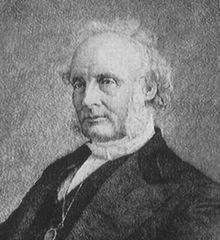
James McCosh
James McCosh was a 19th-century philosopher known for his contributions to religious and moral philosophy. His thoughts were deeply influenced by the Scottish Enlightenment and had a profound impact on the academic world. more
You May Also Like
Source: God in Search of Man: A Philosophy of Judaism
“Complacency makes one as guilty as those who destroy the Earth.”
“I often wish I'd got on better with your father,' he said.”
Source: Delphi Complete Works of Virginia Woolf (Illustrated)
Source: THORSTEIN VEBLEN Ultimate Collection: 8 Books & 50+ Business Essays and Articles in Warfare and Economics: The Theory of the Leisure Class, The Theory of Business Enterprise, The Higher Learning In America, Panem et Circenses, The Vested Interests and the Common Man, The Use of Loan Credit in Business…