Quotessence
Home / Quotes / Quote by Don Tapscott

Quote by Don Tapscott

Work

Wikinomics

This book delves into the transformative power of open collaboration, examining how it reshapes traditional business models and economic strategies in the context of the digital era. It discusses the rise of collaborative platforms and the changing dynamics of innovation and competition in the modern economy. more
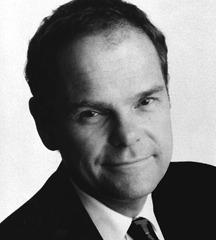
Author

Don Tapscott
Don Tapscott

Don Tapscott (born June 1, 1947) is a Canadian author and business strategist, widely known as the "Father of the Digital Economy." He is renowned for his work on the impact of digital technology on society, business, and government, authoring bestsellers like "The Digital Economy" and "Wikinomics." Tapscott is an early advocate of blockchain technology, co-authoring "Blockchain Revolution." He co-founded the Tapscott Group and advises various institutions. His works have been translated into multiple languages, influencing global thought on innovation and collaboration. more

You May Also Like

“Without good humour, learning and bravery can only confer that superiority which swells the heart of the lion in the desert, where he roars without reply, and ravages without resistance. Without good humour virtue may awe by its dignity and amaze by its brightness, but must always be viewed at a distance, and will scarcely gain a friend or attract an imitator.”

“The mental disease of the present generation is impatience of study, contempt of the great masters of ancient wisdom, and a disposition to rely wholly upon unassisted genius and natural sagacity. The wits of these happy days have discovered a way to fame, which the dull caution of our laborious ancestors durst never attempt; they cut the knots of sophistry, which it was formerly the business of years to untie, solve difficulties by sudden irradiations of intelligence, and comprehend long processes of argument by immediate intuition.”

“Men who have flattered themselves into this opinion of their own abilities, look down on all who waste their lives over books, as a race of inferior beings condemned by nature to perpetual pupilage, and fruitlessly endeavouring to remedy their barrenness by incessant cultivation, or succour their feebleness by subsidiary strength. They presume that none would be more industrious than they, if they were not more sensible of deficiences; and readily conclude, that he who places no confidence in his own powers owes his modesty only to his weakness.”

“No cause more frequently produces bashfulness than too high an opinion of our own importance. He that imagines an assembly filled with his merit, panting with expectation, and hushed with attention, easily terrifies himself with the dread of disappointing them, and strains his imagination in pursuit of something that may vindicate the veracity of fame, and show that his reputation was not gained by chance.”

“All violation of established practice implies in its own nature a rejection of the common opinion, a defiance of common censure, and an appeal from general laws to private judgment: he, therefore, who differs form others without apparent advantage, ought not to be angry if his arrogance is punished with ridicule; if those whose example he superciliously overlooks, point him out to derision, and hoot him back again into the common road.”