“For every one pupil who needs to be guarded against a weak excess of sensibility there are three who need to be awakened from the slumber of cold vulgarity. The task of the modern educator is not to cut down jungles but to irrigate deserts.”
Quote by C. S. Lewis
Work
A Mind Awake: An Anthology of C. S. Lewis
This anthology compiles a selection of C. S. Lewis's writings, offering insights into his thoughts on faith, morality, and the nature of human existence. The collection includes a range of essays and lectures that showcase Lewis's intellectual depth and his ability to engage with complex ideas in accessible ways. more
Author
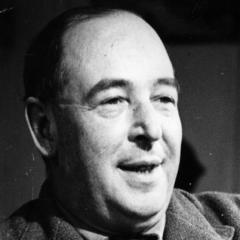
C. S. Lewis
C. S. Lewis was a British novelist, academic, and Christian theologian. He is renowned for his fictional works, particularly The Chronicles of Narnia, a series of fantasy novels that have become a beloved classic of children's literature. Lewis also penned adult fiction, including the science fiction trilogy Out of the Silent Planet and the space trilogy. His non-fiction works, such as Mere Christianity and The Problem of Pain, have had a significant impact on Christian thought and spirituality. more
You May Also Like
“Ask any comedian, tennis player, chef. Timing is everything.”
Source: Just in Case
Source: Bite Me
“Just because you have a choice, it doesn't mean that any of them 'has' to be right.”
“You can't go back to how things were. How you thought they were. All you really have is...now.”
Source: Thirteen Reasons Why 10th Anniversary Edition
Source: A Woman's Worth