“when I came to know Greek art I instantly understood that excess and perfection are enemies; yet on the other hand this world and the millions of worlds around us live by fire ... !”
Quote by Ethel Smyth
Work
Impressions that remained
Impressions that remained is the autobiography of Ethel Smyth, an English composer and suffragette. The book covers her childhood, education, and early career, offering personal reflections on her musical development and the social circles she moved in. It provides insight into the challenges faced by a woman pursuing a career in classical music during the Victorian and Edwardian eras, as well as her involvement in the women's suffrage movement. The narrative is based on Smyth's own recollections and letters, presenting a firsthand account of her life and times. more
Author
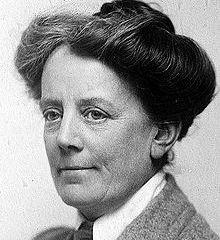
Ethel Smyth
Ethel Smyth was a notable British composer and conductor, recognized for her substantial contributions to music. Born on April 23, 1858, and passing away on May 8, 1944, Smyth's compositions, encompassing orchestral pieces, chamber music, and songs, have had a profound impact on the musical landscape. more
You May Also Like
“crawling about the floor like half-dead November flies is one thing, and dancing reels another.”
Source: The memoirs of Ethel Smyth
Source: What happened next
Source: Streaks of life
Source: Impressions that remained
Source: Streaks of life
“the majority of critical, and plenty of uncritical, readers find quotations a bore.”
Source: Streaks of life