“I propose to put forward an apology for mathematics; and I may be told that it needs none, since there are now few studies more generally recognized, for good reasons or bad, as profitable and praiseworthy.”
Quote by G. H. Hardy
Author
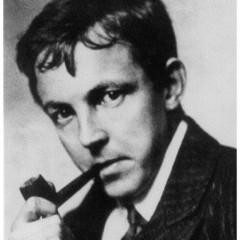
G. H. Hardy
G. H. Hardy was a renowned British mathematician known for his contributions to number theory and mathematical analysis. Born on February 7, 1877, he passed away on December 1, 1947. Hardy is respected for his unique mathematical style and profound insights into mathematical problems. more
You May Also Like
Source: An Introduction to the Study of Experimental Medicine
Source: The Nature of Natural History
“Everybody hates a prodigy, detests an old head on young shoulders.”
Source: Literary and Educational Writings: Panegyricus and Philippum Austriaeducem. Moriae encomium. Dialogus Julius exclusus e coelis. Institutio principis christiani. Querela pacis
Source: The Nature of Natural History
“His rod revers'd, And backward mutters of dissevering power.”
Source: The Poetical Works of John Milton: With the Principal Notes of Various Commentators. To which are Added Illustrations, with Some Account of the Life of Milton
“When we have the Spirit to direct us, we are capable of teaching with great power.”
Source: The fragrant path