Quotessence
Home / Quotes / Quote by James Russell Lowell

Quote by James Russell Lowell

“No man, I suspect, ever lived long in the country without being bitten by these meteorological ambitions. He likes to be hotter and colder, to have been more deeply snowed up, to have more trees and larger blown down than his neighbors.”

Quote by James Russell Lowell

Work

My Study Windows

This book delves into the significance of study environments, examining how different settings can influence academic performance and imaginative thought. more

Author

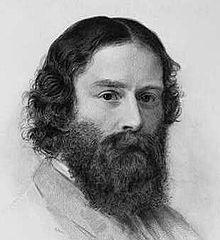
James Russell Lowell

James Russell Lowell was an American poet, born on February 22, 1819, and died on August 12, 1891. His poetry is known for its profound social insights and admiration for nature. more

You May Also Like

“Faced with the immensity of the universe, Job realized that there are limits to man's rationalizing, that we cannot find where the cloud of sorrow starts, that all our boasted knowledge is but an island in the vast ocean of mystery, and as the island of knowledge grows larger, the shore line of mystery becomes longer. At the end of his wits, he surrendered in trust to a Higher Wisdom.”

“For the individual, as I can testify, a brief grounding in semantics, besides making philosophy unreadable, makes unreadable most political speeches, classical economic theory, after-dinner oratory, diplomatic notes, newspaper editorials, treatises on pedagogics and education, expert financial comment, dissertations on money and credit, accounts of debates, and Great Thoughts from Great Thinkers in general. You would be surprised at the amount of time this saves.”

“Now in regard to trades and other means of livelihood, which ones are to be considered becoming to a gentleman and which ones are vulgar, we have been taught, in general, as follows. First, those means of livelihood are rejected as undesirable which incur people's ill-will, as those of tax-gatherers and usurers. Unbecoming to a gentleman, too, and vulgar are the means of livelihood of all hired workmen whom we pay for mere manual labour, not for artistic skill; for in their case the very wage they receive is a pledge of their slavery.”