“La leçon qui veut donner Xénophon en montrant Simonide en train d'écouter en silence le long discourse de Hiéron, puis en lui répondant, peut être exprimée maintenant de la façon suivante: même un homme parfaitement juste qui veut donner des conseils à un tyran doit se présenter comme un homme dénué de tous scrupules. Le plus grand homme qui ait jamais imité le Hiéron fut Machiavel. Je ne serais pas surpris si une étude suffisamment attentive de l'œuvre de Machiavel conduisait à la conclusion que c'est précisément le fait que Machiavel a parfaitement compris la principale leçon pédagogique de Xénophon qui explique les phrases les plus choquantes du Prince. Mais si Machiavel a compris la leçon de Xénophon, il ne l'a certainement pas appliquée dans l'esprit de son auteur. Car, d'après Xénophon, le conseiller du tyran doit apparaître comme un homme dénué de tous scrupules, non parce qu'il déclare ne craindre ni l'enfer ni le diable ou qu'il professe des principes immoraux, mais du simple fait qu'il s'abstient de tenir compte des principes moraux. Il doit manifester son affranchissement réel ou supposé à cet égard, non par le discours, mais par le silence car, en procédant ainsi - en méprisant la morale par l'action plutôt qu'en l'attaquant par le discours, il révèle en même temps sa compréhension des choses politiques. Xénophon, ou son Simonide, est plus politique que Machiavel; il refuse de séparer la modération (ou la prudence) de la sagesse (ou perspicacité).”
Quote by Leo Strauss
Book:On Tyranny
Work
On Tyranny
Browse quotes and source details for this work. more
Author
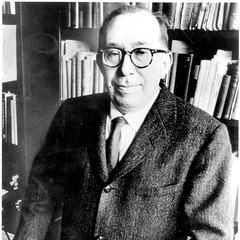
Leo Strauss
Leo Strauss was a prominent philosopher born on September 20, 1899, and died on October 18, 1973. His thoughts were deeply influenced by classical philosophy and German philosophy, especially by Martin Heidegger's philosophical ideas. Strauss's main contribution lies in his reinterpretation of political philosophy, emphasizing the close connection between political philosophy and moral philosophy. more
You May Also Like
“The most important step to outreach your goal is to put your plan into action”
“The cover letter is seen by our actions. (La lettre de motivation se voit par nos actions)”
Source: Revolution Indomable
Source: Consciencism: Philosophy and Ideology for De-Colonization and Development with Particular Reference to the African Development
Source: Brave New World
Source: The Great Believers
Source: Wealth of Words