“That myth--that image of the madonna-mother--has disabled us from knowing that, just as men are more than fathers, women are morethan mothers. It has kept us from hearing their voices when they try to tell us their aspirations . . . kept us from believing that they share with men the desire for achievement, mastery, competence--the desire to do something for themselves.”
Quote by Lillian B. Rubin
Author
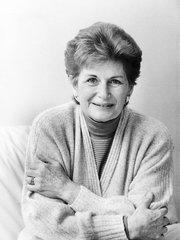
Lillian B. Rubin
Lillian B. Rubin was a prominent American author in the field of sociology and women's studies, recognized for her influential works that delved into the complexities of gender, family, and society. Born on January 13, 1924, Rubin's career spanned several decades, during which she published numerous books and articles. She was a key figure in the development of feminist sociology, challenging and expanding traditional sociological theories. more
You May Also Like
Source: Women of a certain age: the midlife search for self
Source: Women of a certain age: the midlife search for self
“Concession comes with better grace and more salutary effect from superior power.”
“I know that I can save this country and that no one else can.”
“Where laws end, tyranny begins.”
Source: Correspondence, ed. by [W.S. Taylor and J.H. Pringle] the executors of his son John, earl of Chatham