“A man's country is not a certain area of land, of mountains, rivers, and woods, but it is a principle and patriotism is loyalty to that principle.”
Quote by George William Curtis
Work
On the principles and character of American institutions, and the duties of American citizens, 1856-1891
The text delves into the historical and philosophical underpinnings of American institutions, analyzing their development and significance. It also addresses the moral and civic duties expected of American citizens during the late 19th century. more
Author
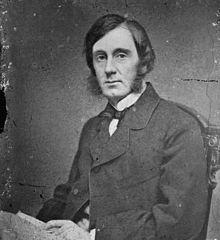
George William Curtis
George William Curtis was an American writer born on February 24, 1824, and died on August 31, 1892. He was known for his essays and editorial work, serving as the editor of Harper's Magazine, which had a significant impact on the literary world. more
You May Also Like
“The foundations of any subject may be taught to anybody at any age in some form.”
Source: The Process of Education, Revised Edition
Source: How Musical is Man?
“...I have great hopes for the possibility of a dynamic universalism that respects all our people.”
“The public doesn't want new music; the main thing it demands of a composer is that he be dead.”
Source: How Musical is Man?