“Can I see anothers woe, And not be in sorrow too. Can I see anothers grief, And not seek for kind relief. Can I see a falling tear. And not feel my sorrows share, Can a father see his child, Weep, nor be with sorrow fill'd. Can a mother sit and hear, An infant groan, an infant fear- No no never can it be, Never, never can it be.”
Quote by William Blake
Work
Songs of Innocence and of Experience
William Blake's seminal work, a profound exploration of the contrast between innocence and experience, delving into the complexities of human nature and the journey from childhood to adulthood more
Author
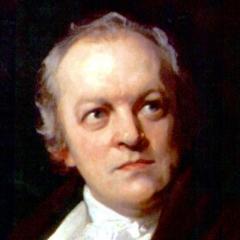
William Blake
William Blake (November 28, 1757 - August 12, 1827) was an English Romantic poet, painter, and printmaker. Known for his unique visual art and profound philosophical thoughts, he is considered one of the most innovative poets in the history of English literature. more
You May Also Like
“There is no force in the world better able to alter anything from its course than love.”
Source: Tattoos on the Heart: The Power of Boundless Compassion
“There are these amazing little seeds called compassion. You should grow some.”
Source: Smile Anyway: Quotes, Verse, & Grumblings for Every Day of the Year
“Beauty is the moment when time vanishes and eternity arises.”
Source: Walking the Path of Compassion
Source: The Cat Who Saved Books
Source: All This Twisted Glory
“But I can tell you this. You won’t be alone. I will be with you. I promise.”
Source: Stoneslayer: Book One Scandal