Quotessence
Home / Quotes / Quote by George Saunders

Quote by George Saunders

“Every minit with no kikking and stomping now seems like not a real minit. Do you get what I mean? It is like some frend who preveusly was nise suden lee says some crool thing and does this nip on your flank. Even when he goes bak to being nise, you will never feel exact lee safe. And meenwile your other frends, who did not get nipped, are troting arownd with hapy smiles, going: Fox 8, why so glum?”

Quote by George Saunders

Book:Fox 8

Work

Fox 8

Browse quotes and source details for this work. more

Author

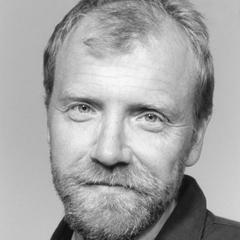
George Saunders
George Saunders

George Saunders, born on December 2, 1958, is an American writer known for his unique humor and profound insights. His works, primarily short stories, have gained widespread recognition and have been honored with numerous literary awards, including the Pulitzer Prize. more

You May Also Like

“We see it on blogs and in emails, on television talk shows, in public meetings and community forums; we are a culture that seems unable to concentrate, to pursue a line of thought or tolerate a conflicting point of view. … It’s different with a book, or any long-form piece of writing; these are slower, deeper, quieter. As readers, we are asked to slip inside the text, and if we can’t help but bring our personalities and perceptions to the process, the participation required leads to an inevitable empathy.”

“I noticed him right away. No, it wasn’t his lean, rugged face. Or the dark waves of shiny hair that hung just a little too long on his forehead. It wasn’t the slim, collarless biker jacket he wore, hugging his lean shoulders. It was the way he stood. The confident way he waited in the cafeteria line to get a slice of pizza. He didn’t saunter. He didn’t amble. He stood at the center, and let the other people buzz around him. His stance was straight and sure.”

“It’s natural that we should fear and be suspicious of representations of us by those who are not like us. Equally rational is the assumption that those who are like us will at least take care with their depictions, and will be motivated by love and intimate knowledge instead of prejudice and phobia. In the twentieth and twenty-first centuries, writing by women, and by oppressed minorities of all kinds, has wondrously expanded the literary landscape, ennobling griefs that had, historically, either passed unnoticed or been brutally suppressed and caricatured. We’re eager to speak for ourselves. But in our justified desire to level or even obliterate the old power structures—to reclaim our agency when it comes to the representation of selves—we can, sometimes, forget the mystery that lies at the heart of all selfhood. Of what a self may contain that is both unseen and ultimately unknowable. Of what invisible griefs we might share, over and above our many manifest and significant differences. We also forget what writers are: people with voices in our heads and a great deal of inappropriate curiosity about the lives of others.”