“Thamus, as Socrates told the tale, saw a threat to the very nature of philosophical discourse. Here is what the Egyptian king supposedly told the clever god: Theuth, my paragon of inventors, the discoverer of an art is not the best judge of the good or harm which will accrue to those who practice it. So it is in this; you, who are the father of writing, have out of fondness for your off-spring attributed to it quite the opposite of its real function. Those who acquire it will cease to exercise their memory and become forgetful; they will rely on writing to bring things to their remembrance by external signs instead of by their own internal resources. What you have discovered is a recipe for recollection, not for memory. And as for wisdom, your pupils will have the reputation for it without the reality. They will receive a quantity of information without proper instruction, and in consequence be thought very knowledgeable when they are for the most part quite ignorant. And because they are filled with conceit of wisdom instead of real wisdom they will be a burden to society.”
Quote by Nicholas A. Basbanes
Work
A Splendor of Letters: The Permanence of Books in an Impermanent World – The Remarkable Final Trilogy on Bibliophiles from the Leading Authority
Browse quotes and source details for this work. more
Author
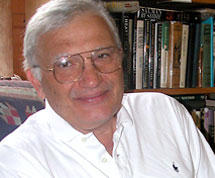
Nicholas A. Basbanes
Nicholas A. Basbanes is a renowned American author known for his research on books and book collecting. His works delve into the history, culture, and value of books. more
You May Also Like
Source: What's Up, Buttercup?
Source: Snackable Existentialism: Small Portions, Big Ideas
Source: Cleverlands: The secrets behind the success of the world's education superpowers
Source: Cleverlands: The secrets behind the success of the world's education superpowers
Source: Cleverlands: The secrets behind the success of the world's education superpowers
“A clumsy bird that flies first will get to the forest earlier. (Chinese proverb)”
Source: Cleverlands: The secrets behind the success of the world's education superpowers