Quotessence
Home / Quotes / Quote by John Lubbock

Quote by John Lubbock

“Our great mistake in education is, as it seems to me, the worship of book-learning–the confusion of instruction and education. We strain the memory instead of cultivating the mind. The children in our elementary schools are wearied by the mechanical act of writing, and the interminable intricacies of spelling; they are oppressed by columns of dates, by lists of kings and places, which convey no definite idea to their minds, and have no near relation to their daily wants and occupations; while in our public schools the same unfortunate results are produced by the weary monotony of Latin and Greek grammar. We ought to follow exactly the opposite course with children–to give them a wholesome variety of mental food, and endeavor to cultivate their tastes, rather than to fill their minds with dry facts. The important thing is not so much that every child should be taught, as that every child should be given the wish to learn. What does it matter if the pupil know a little more or a little less? A boy who leaves school knowing much, but hating his lessons, will soon have forgotten almost all he ever learned; while another who had acquired a thirst for knowledge, even if he had learned little, would soon teach himself more than the first ever knew.”

Quote by John Lubbock

Work

The Pleasures of Life

This book delves into the concept of happiness and the various sources of pleasure that can be experienced in daily existence. more

Author
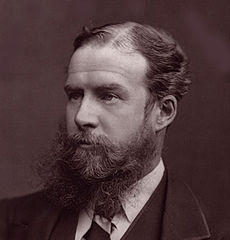
John Lubbock
John Lubbock

John Lubbock was a prominent British banker born on April 30, 1834, and passed away on May 28, 1913. He made significant contributions to the banking industry and played a crucial role in the development of the British financial system during the late 19th and early 20th centuries. more

You May Also Like

“Bem lá no íntimo não fazia ideia de como quebrar o medo que lhe tolhia os movimentos nos instantes de puro terror. Tinha consciência de que uma coisa era falar e outra executar, sabia que, nos momentos de aflição, as suas reacções eram imprevisíveis e incontroláveis, a emoção toma conta da mente e a animalidade sobrepõe-se à humanidade. Quantos homens passavam a vida a falar de heroísmo e a preparar-se para o grande teste e fraquejavam quando o momento chegava, enquanto outros, tímidos e calados, na hora das dificuldades tudo pareciam superar? O que era afinal a temeridade senão fingimento? O que era o heroísmo senão um acto resultante do medo social que se sobrepõe ao medo animal? E o que era a bravura senão um momento de pura loucura, um gesto insano feito para benefício alheio e prejuízo nosso?”

“¡Los anuncios! Un procedimiento para atraer a los desinteresados. ¿Qué le importaba a un fabricante de vehículos terrestres si el deseo de un individuo desconocido hacia su producto era espontáneo o provocado? Si el cliente —esa era la palabra— podía ser artificialmente convencido o sugestionado para sentir tal deseo y actuar en consecuencia, ¿no era eso todo lo que le importaba al fabricante?”

“Fui a ver a Susana Campos con la ilusión de acostarme con ella, pero me recibió con su novio, los dos muy drogados. Tomaban de una botella un líquido blanquecino que habían diluido en agua anfetaminas, un LSD y algunos gramos dispersos, como polvo en el aire, de cocaína. Así que estaban muy volados, el novio se había subido a un árbol y hablaba desde arriba como si fuera un predicador. Para bajar, decían que fumaban porro y eso los volvía a la realidad. Durante casi dos horas me contaron la increíble experiencia de ir al cine drogados. La película duraba años, según ellos, y era muy intensa. Tenían que interrumpirla para ir al baño y a veces no sabían cómo volver a sus asientos.”

“Os fabricantes de cocaína colombianos protegeram os seus lucros apertando o controlo das suas cadeias de abastecimento, dentro da mesma linha que a Walmart. Os cartéis mexicanos expandiram-se numa base de franchising, com o mesmo sucesso que a McDonald’s. Em El Salvador, os gangues de rua tatuados, outrora inimigos figadais, descobriram que o conluio por vezes pode ser mais rentável que a concorrência. Os criminosos caribenhos usam as prisões fétidas das ilhas como centros de emprego, resolvendo assim os seus problemas em matéria de recursos humanos.”