Quotessence
Home / Quotes / Quote by Milan Kundera

Quote by Milan Kundera

“Of course, these were only dreams. How could a sensible woman leave a happy marriage? All the same, a seductive voice from afar kept breaking into her conjugal peace: it was the voice of solitude.”

Quote by Milan Kundera

Work

Immortality

Browse quotes and source details for this work. more
Author

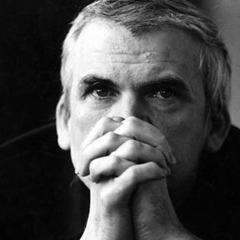
Milan Kundera
Milan Kundera

Milan Kundera is a renowned Czech-French writer known for his profound psychological insights and unique narrative techniques. His works often explore themes of personal freedom, love, morality, and existentialism, with notable titles including 'The Unbearable Lightness of Being' and 'The Joke'. more

You May Also Like

“This was the part she hated, the part of a relationship that always nudged her to bail, the part where someone else’s misery or expectations or neediness crept into her carefully prescribed world. It was such a burden, other people’s lives. She did love Leo. She’d loved him in a host of different ways at different times in their lives, and she did want whatever their current thing was to continue. Probably. But she always came back to this: She was so much better at being alone; being alone came more naturally to her. She led a life of deliberate solitude, and if occasional loneliness crept in, she knew how to work her way out of that particular divot.”

“Tristeţi Îmi port ca pe-un copil bolnav tristeţea, prin parcu-n care frunzele, asemeni clopotelor plâng; şi-aud cum creşte neliniştea începutului de toamnă departe, şi cum aleargă păsările ploii, pe acoperişuri negre şi se frâng. E-aceeaşi amintire şi-aceeaşi deznădejde veche. Aş vrea cu braţele tale de astă-vară sa mă cuprinzi; păşesc pe urmele trecutului nostru, cum aş merge după un om cunoscut, şi totuşi, nu-ţi mai găsesc gestul, în lacul cu mohorâte oglinzi. E pretutindeni, un aer apăsător, ca de spital, şi pomii în despletiri, îşi spun mâhniri ştiute. Amintirea ta îmi închide drumul ca un mal, şi-mi simt gândurile, în pietrişul umed, căzute. Aşa : vino să-mi ridici sufletul, ca pe-o coajă de copac, şi să-mi citeşti durerile închise – cuiburi de păsări triste, acolo. Mâinile tale sa-mi fie deznădejdii, mătăsoase batiste, şi ochii tăi, pentru copilul tristeţelor mele, odihnitor hamac, Vântul răscoleşte cerul ca pe-o carte deschisă. Aud fâsâitul foilor pe care-s scrise atâtea poveşti dureroase. ... De departe vine prevestirea unui sfârşit apăsător, şi eu îmi port tristeţea ca pe-un copil, prin săli de spital reci si întunecoase.”