Quotessence
Home / Quotes / Quote by Victor Hugo

Quote by Victor Hugo

Work

Les Misérables

Victor Hugo's 'Les Misérables' is an epic narrative that delves into the lives of various characters, including Jean Valjean, a former convict seeking redemption, and Fantine, a woman struggling in poverty. The story is rich in historical detail and moral complexity, offering a profound examination of society's flaws and the resilience of the human spirit. more
Author

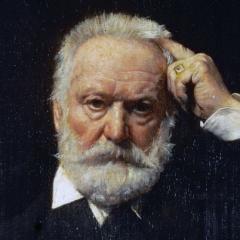
Victor Hugo
Victor Hugo

Victor Hugo, a French romantic poet, novelist, and playwright, was born on February 26, 1802, and died on May 22, 1885. He is considered one of the greatest writers in French literary history, known for his profound humanistic concerns and rich imagination. more

You May Also Like

“How can we embrace poverty as a way to God when everyone around us wants to become rich? Poverty has many forms. We have to ask ourselves: 'What is my poverty?' Is it lack of money, lack of emotional stability, lack of a loving partner, lack of security, lack of safety, lack of self-confidence? Each human being has a place of poverty. That’s the place where God wants to dwell! 'How blessed are the poor,' Jesus says (Matthew 5:3). This means that our blessing is hidden in our poverty. We are so inclined to cover up our poverty and ignore it that we often miss the opportunity to discover God, who dwells in it. Let’s dare to see our poverty as the land where our treasure is hidden.”

“મને એ ખબર નથી પડતી કે: કઈ રીતે એક સ્થળ...માત્ર એક જગ્યા...આટલી બધી પેઢીઓથી કેટલાયે માણસોના દુઃખ મિટાવી શકે? માત્ર ચીકણી માટીમાંથી બનાવેલી એક મૂર્તિ અને તેના પર થોડી શણગાર અને સજાવટ. માત્ર ઇંટોથી ચણેલી એક કબર અને તેના પર કાપડ ની ચાદર. બીજું કઈ નહિ. એક પથ્થરના ટુકડા સિવાય બીજું કઈ જ નહિ. જો ઈશ્વર પથ્થરના ટુકડામાં રહેતો હોય...તો પછી ભૂખ્યા મરી જતા લાચાર માણસોમાં નહિ રહેતો હોય? તમારી શ્રદ્ધાનું નામ દઈને તમે કહી દો છો કે- માણસને શ્રદ્ધા હોય તો પથ્થરમાં પણ ભગવાન દેખાય. પથ્થરની પણ પૂજા થાય! હું કહું છું કે- જો લોકોને પથ્થરના ચણેલા મંદિરમાં ભગવાન દેખાતો હોય તો પછી તેને ઘર વગરના માણસમાં પણ દેખાવો જોઈએ. ભૂખ્યા મરી જતા ભીખારીમાં પણ દેખાવો જોઈએ.”

“Maskini na tajiri wana mawazo tofauti. Maskini hudhani utajiri ni chanzo cha matatizo. Tajiri hudhani umaskini ni chanzo cha matatizo. Maskini hudhani ubinafsi ni kitu kibaya. Tajiri hudhani ubinafsi ni kitu kizuri. Maskini ana mawazo ya kupata pesa bila kufanya kazi. Tajiri ana mawazo ya kupata pesa kwa kufanya kazi. Maskini hudhani tajiri ana tabia ya kuringa. Tajiri hupenda kuzungukwa na watu sahihi wenye mawazo sawa na ya kwake. Maskini hutengeneza pesa kwa kufanya kazi asizozipenda. Tajiri hutengeneza pesa kwa kufanya kazi anazozipenda. Maskini hudhani kuwa tajiri lazima usome sana. Tajiri hudhani kuwa tajiri si lazima usome sana. Maskini hutamani mambo mazuri ya wakati uliyopita. Tajiri hutamani mambo mazuri ya wakati unaokuja. Maskini huamini ili uwe tajiri lazima ufanye kitu fulani. Tajiri huamini ili uwe tajiri lazima uwe kitu fulani. Maskini hupenda kuburudishwa kuliko kuelimishwa. Tajiri hupenda kuelimishwa kuliko kuburudishwa. Maskini ana woga. Tajiri hana woga. Maskini hufundisha watoto wake jinsi ya kupambana na maisha. Tajiri hufundisha watoto wake jinsi ya kuwa matajiri. Maskini hana nidhamu ya mapato na matumizi. Tajiri ana nidhamu ya mapato na matumizi. Maskini hufanya kazi kwa bidii kupata pesa. Tajiri hutumia pesa kupata pesa. Maskini ni mdogo kuliko matatizo yake. Tajiri ni mkubwa kuliko matatizo yake. Maskini huamini unahitaji pesa kupata pesa. Tajiri huamini utapata pesa kwa kutumia pesa za wengine. Maskini ana wivu wa chuki. Tajiri ana wivu wa maendeleo. Fikiri kama anavyofikiri tajiri. Ukifikiri tofauti na anavyofikiri tajiri, utakufa maskini.”