“Charles's conversation was as flat as a sidewalk, and everyone's ideas filed along it in their ordinary clothes, exciting no emotion, no laughter, no reverie. He had never been curious, he said, when he lived in Rouen, to go to the theater and see the actors from Paris. He did not know how to swim, or fence, or fire a pistol, and he could not explain to her, one day, a riding term she had come upon in a novel. But shouldn't a man know everything, excel at a host of different activities, initiate you into the intensities of passion, the refinements of life, all its mysteries? Yet this man taught her nothing, knew nothing, wished for nothing. He thought she was happy; and she resented him for that settled calm, that ponderous serenity, that very happiness which she herself brought him.”
Quote by Gustave Flaubert
Work
Gustave Flaubert's Madame Bovary is a seminal work of 19th-century French literature. The novel follows the life of Emma Bovary, a woman who is discontent with her provincial life and marries Charles Bovary, a dull and unambitious country doctor. Emma's dissatisfaction leads her to seek fulfillment through romantic escapades and extramarital affairs, ultimately leading to disaster. Flaubert's meticulous attention to detail and his exploration of themes such as social class, materialism, and the human condition have made this novel a classic of world literature. more
Author
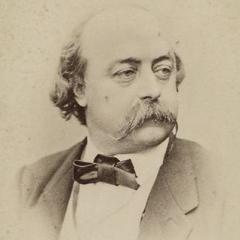
Gustave Flaubert, born on December 12, 1821 and died on May 8, 1880, was a prominent French writer of the 19th century. Known for his exquisite literary skills and profound psychological portrayals, Flaubert is best remembered for his masterpiece 'Madame Bovary'. more
You May Also Like
“Unless someone like you cares a whole awful lot, Nothing is going to get better. It's not.”