Quotessence
Home / Quotes / Quote by Lucy Maud Montgomery

Quote by Lucy Maud Montgomery

“Anne went up the narrow stairs and into that little east room with a full heart. It was as a shrine to her. Here her mother had dreamed the exquisite, happy dreams of anticipated motherhood; here that red sunrise light had fallen over both of them in the sacred hour of birth; here her mother had died. Anne looked about her reverently, her eyes dim with tears. It was for her one of the jewelled hours of life that gleam out radiantly forever in memory.”

Quote by Lucy Maud Montgomery

Work

Anne of the Island

This book is the third in the Anne of Green Gables series, continuing the story of Anne Shirley as she navigates life on Prince Edward Island. It explores themes of friendship, education, and personal growth. more

Author

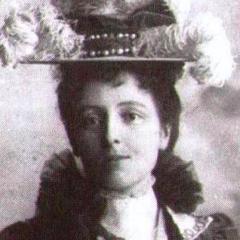
Lucy Maud Montgomery

Lucy Maud Montgomery was a Canadian author renowned for her children's literature, particularly the 'Anne of Green Gables' series. Her works are celebrated for their refreshing style and profound insights into human nature. more

You May Also Like

“We need to spread more seeds and fill this Planet with love to be surrounded by flowers just everywhere! It starts by simply opening up our hearts and hands to one another. It's in simple things where true Happiness may flourish.”

“Passati tre mesi Stransom si sentì così solo che tornò là; forse, pensava, dopo esser stati per anni i suoi migliori amici, i suoi Morti non si sarebbero lasciati abbandonare senza prima adoperarsi per lui ancora una volta. E li ritrovò come li aveva lasciati, in quel loro alto effluvio di luce, il vivido drappello che già, quando era in vena di paragoni tra cose grandi e piccole, lo aveva indotto a vederli come un manipolo di fari sul bordo dell’oceano della vita.”

“Mary Antrim non era l’unico fantasma della sua vita. Forse, rispetto alla maggioranza degli uomini, non erano molte le persone che gli erano mancate, ma per lui queste perdite avevano contato di più. Anche se non l’aveva toccato così da vicino, in un certo modo la morte aveva lasciato nel suo animo un’impronta più profonda. A poco a poco egli aveva preso l’abitudine di soffermarsi sui suoi morti ad uno ad uno, e piuttosto presto nella vita aveva cominciato a pensare che andasse fatto qualcosa per loro. E loro erano lì, accanto a lui, forti di quell’essenza semplificata, più intensa, di quell’assenza consapevole, di quella pazienza eloquente, così corporei e presenti che pareva avessero soltanto perduto l’uso della parola. Quando non li si percepiva più, quando ogni suono cessava, era come fosse ancora lì, in terra, il loro purgatorio; chiedevano così poco, poveretti, che ricevevano ancor meno, e morivano di nuovo, morivano ogni giorno del duro trattamento che riservava loro la vita. Per loro nulla era stato predisposto: non avevano prerogative né onori, nessun rifugio, nessuna salvaguardia. A provvedere ai vivi c’erano pur sempre anche i più egoisti tra gli uomini; ma nessuno, nemmeno chi era ritenuto più generoso, faceva nulla per quegli altri. E così, col passare degli anni, andò maturando in George Stransom una risoluzione: lui sì, almeno, avrebbe fatto qualcosa, l’avrebbe fatto cioè per i suoi morti; e nell’adempiere a quel sommo atto di misericordia”

“Elena never understood why people chose caskets made of noble hardwoods that would take a long time to break down. If so many people believe that we are all of dust and to dust must turn again, why delay the return? They pick fancy caskets just to show off, she thinks, why would they do it otherwise, if they know neither the coffin nor what's inside it are destined to last but to rot, to be eaten by worms, both the wood and the body that no longer hold the person it was, a body that no longer belongs to anyone, like an empty bag, incomplete, a pod without seeds.”