“We can see that sin is simply anything that disrupts the way life is intended to be. Sometimes we are the ones who do the disrupting; sometimes it's done to us. But never does sin become part of our identity. We are created in the image and likeness of love, and nothing can destroy that.”
Quote by Benjamin L. Corey
Work
Unafraid: Moving Beyond Fear-Based Faith
Browse quotes and source details for this work. more
Author
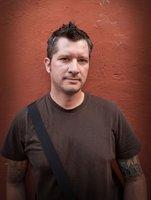
Benjamin L. Corey
Benjamin L. Corey is an American author born on April 26, 1976. His work primarily focuses on Christian theology, social justice, and contemporary culture. Corey is known for his insightful and critical thinking, and his books and articles have had a wide-reaching impact within the Christian community. more
You May Also Like
Source: Unafraid: Moving Beyond Fear-Based Faith
“Sin is a symptom of an empty space not being filled by God.”
Source: Heart Renovation: A Construction Guide to Godly Character
Source: Vulnerable Faith: Missional Living in the Radical Way of St. Patrick
“Sin more! Otherwise Jesus died for nothing.”
Source: Inside The Mind of an Introvert: Comics, Deep Thoughts and Quotable Quotes
“If there is an original sin, then music must be my primordial salvation.”
Source: Talismanist: Fragments of the Ancient Fire. Philosophy of Fragmentism Series.
Source: Unspoken Sermons: Series I, II, III
Source: Overcoming Sin and Temptation
Source: Transmissions From Dating Land
“Nothing can marry two people closer than a mutual sin in the world's eyes.”
Source: Honor