“E qui bisogna menzionare anche quanto scritto da Walter Rathenau nelle sue Briefe an eine Liebende: “Le ho detto ciò che penso della morte volontaria, e le dirò ciò su cui non mi sono mai pronunciato: ma poi non voglio più né parlarne né sentirne parlare. […] Ritengo questa fine un'ingiustizia metafisica, un'ingiustizia nei confronti dello spirito. Una mancanza di fiducia nella Bontà eterna, una rivolta contro l'intimo dovere di obbedire alla legge universale. Chi si uccide, uccide e non solo se stesso, ma anche un altro essere. Perché l'uomo non è un'isola. Questa morte, ne sono profondamente convinto, non è una liberazione come quella naturale e incolpevole. Ogni violenza nel mondo ha delle conseguenze, come ogni azione. Esistiamo per prendere su di noi un po' del dolore del mondo offrendo il nostro petto, non per moltiplicarlo facendo a nostra volta violenza. So che lei soffre e io soffro con Lei. Sia indulgente con questo dolore, ed esso sarà indulgente con lei. I desideri e la collera lo accrescono; con la dolcezza esso si addormenta come un bambino. Lei è cosi ricca di amore, lo rivolga tutto agli esseri umani, ai bambini, alle cose e alle sue sofferenze. Non si chiuda nella solitudine, non voglia essere sola. Superi l'ostacolo, lo guardi negli occhi: non è nulla”.”
Quote by Etty Hillesum
Book:Diario 1941-1943
Work
Diario 1941-1943
Browse quotes and source details for this work. more
Author
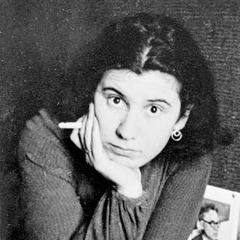
Etty Hillesum
Etty Hillesum was a Dutch writer and diarist, born on January 15, 1914, and died on November 30, 1943. Her works are known for their profound personal insights and philosophical reflections on human existence. more
You May Also Like
Source: The Nice and the Good
Source: The Hellbound Heart
Source: Emily of New Moon
Source: The Black Prince
Source: Crossover
Source: The Stranger
Source: The Art of the Commonplace: The Agrarian Essays
“My brain hurts and I cry all the time. I don't want to be here on Earth for one moment longer.”
Source: Homesick for Another World
“Suffering is a part of real life lesson.”
Source: Master of Stupidity