“La historia es una forma de hacer valer la comunidad imaginada. Los nacionalistas, por poner un ejemplo, aseguran que la nación siempre ha existido en esa zona convenientemente vaga de la "niebla del tiempo"(...)En realidad, examinando cualquier grupo vemos que su identidad es un proceso y no algo fijo. Los grupos se definen y redefinen a sí mismos a lo largo del tiempo y como respueta a procesos internos, un despertar religios quizá, o a presiones externas. Si uno está oprimido y victimizado(...) esa situación se convierte en parte de la imagen que uno tiene de sí mismo. Y a veces incluso conduce a una competencia bastante indecorosa por el victimismo.”
Quote by Margaret MacMillan
Work
The Uses and Abuses of History
This work explores the relationship between historical knowledge and life force, arguing that excessive focus on the past can diminish vitality and creativity. The author critiques the dominance of historical scholarship in modern culture and proposes that history should serve human needs rather than dominate them. The text examines three ways history relates to the living person: monumental, antiquarian, and critical history. This philosophical meditation remains influential in discussions about memory, tradition, and the responsibilities individuals and societies bear toward their historical inheritance. more
Author
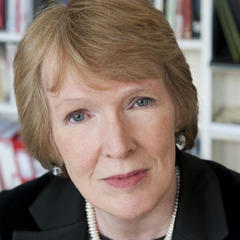
Margaret MacMillan
Margaret MacMillan is a renowned British historian known for her research on the international relations of the early 20th century. Her works delve into the history of international politics and diplomatic events, particularly focusing on World War I and its aftermath. more
You May Also Like
Source: Nic się nie stało
Source: Nietzsche visto por un Nacionalsocialista
Source: Nietzsche visto por un Nacionalsocialista
“history is like steak and potatoes, you can order it everywhere and it always tastes the same.”
Source: Fantomas contra los vampiros multinacionales
Source: At Home: A Short History of Private Life
“El ciudadano se siente partícipe de la historia porque la comenta, no porque la decida.”
Source: El Precio del Poder: la Libertad como Moneda
“El miedo es la primera forma de gobierno.”
Source: El Precio del Poder: la Libertad como Moneda
Source: Dix journées qui ont fait le Québec
Source: Los niños villistas: Una mirada a la historia de la infancia en México, 1900-1920
Source: Moonshine For The Soul: A Path to Strength, Wisdom, Growth, Health & Happiness