“He wondered about the people in houses like those. They would be, for example, small clerks, shop-assistants, commercial travellers, insurance touts, tram conductors. Did they know that they were only puppets dancing when money pulled the strings? You bet they didn’t. And if they did, what would they care? They were too busy being born, being married, begetting, working, dying. It mightn’t be a bad thing, if you could manage it, to feel yourself one of them, one of the ruck of men. Our civilization is founded on greed and fear, but in the lives of common men the greed and fear are mysteriously transmuted into something nobler. The lower-middle-class people in there, behind their lace curtains, with their children and their scraps of furniture and their aspidistras — they lived by the money-code, sure enough, and yet they contrived to keep their decency. The money-code as they interpreted it was not merely cynical and hoggish. They had their standards, their inviolable points of honour. They ‘kept themselves respectable’— kept the aspidistra flying. Besides, they were alive. They were bound up in the bundle of life. They begot children, which is what the saints and the soul-savers never by any chance do. The aspidistra is the tree of life, he thought suddenly.”
Quote by George Orwell
Work
Keep the Aspidistra Flying
The story follows a young man's experiences in the harsh economic climate of the 1930s, delving into his struggles with poverty, love, and the pursuit of a meaningful life. more
Author
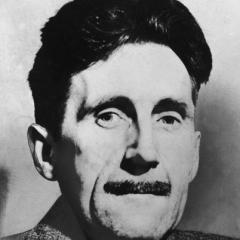
George Orwell
George Orwell, born Eric Arthur Blair, was a British novelist and political critic. Known for his sharp social criticism and profound insights into totalitarianism, Orwell is best remembered for his novels '1984' and 'Animal Farm', which remain influential to this day. more
You May Also Like
“I'm living so far beyond my means that we may almost be said to be living apart.”
Source: The Unbearable Bassington
Source: The Dance: Moving To the Rhythms of Your True Self
Source: The Money Code: Become a Millionaire With the Ancient Jewish Code
“Ang great love mo, hindi mo makakatuluyan. Ang makakatuluyan mo ay yung correct love.”
Source: Para Kay B
Source: Unfortunately, it was Paradise: Selected Poems
“A man's free to do what he wants with his life, until he falls foul of the banks.”
Source: Drive Your Plow Over the Bones of the Dead
Source: The Complete Poems