“The peace of Manderley. The quietude and the grace. Whoever lived within its walls, whatever trouble there was and strife, however much uneasiness and pain, no matter what tears were shed, what sorrows borne, the peace of Manderley could not be broken or the loveliness destroyed. The flowers that died would bloom again another year, the same birds build their nests, the same trees blossom. That old quiet moss smell would linger in the air, and the bees would come, and crickets, the herons build their nests in the deep dark woods. The butterflies would dance their merry jug across the lawns, and spiders spin foggy webs, and small startled rabbits who had no business to come trespassing poke their faces through the crowded shrubs. There would be lilac, and honeysuckle still, and the white magnolia buds unfolding slow and tight beneath the dining-room window. No one would ever hurt Manderley. It would lie always in its hollow like an enchanted thing, guarded by the woods, safe, secure, while the sea broke and ran and came again in the little shingle bays below.”
Quote by Daphne du Maurier
Work
Daphne Du Maurier's 'Rebecca' is a psychological thriller that delves into the complex dynamics of a marriage. The story follows the new wife of Maxim de Winter, who must navigate the shadow of his first wife, the enigmatic and seemingly perfect Rebecca. Set against the backdrop of a grand English country house, the novel explores themes of jealousy, obsession, and the elusive nature of truth. more
Author
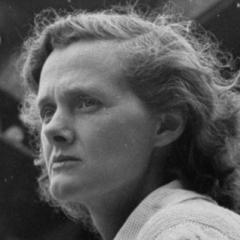
British author known for her suspense novels and romantic stories. Daphne du Maurier's works are characterized by their mysterious and supernatural elements, with her most famous novels being 'Rebecca' and 'The Turn of the Screw'. Her writing style has had a profound impact on literature. more
You May Also Like
“Sweet are the thoughts that savour of content, The quiet mind is richer than a crown...”
“A man wants too many things before marriage, but only peace after it.”