Quotessence
Home / Quotes / Quote by Stephen Fry

Quote by Stephen Fry

“Unlike musical notation, paint or clay, language is inside every one of us. For free. We are all proficient at it. We already have the palette, the paints and the instruments. We don’t have to go and buy any reserved materials. Poetry is made of the same stuff you are reading now, the same stuff you use to order pizza over the phone, the same stuff you yell at your parents and children, whisper in your lover’s ear and shove into an e-mail, text or birthday card. It is common to us all.”

Quote by Stephen Fry

Work

The Ode Less Travelled: Unlocking the Poet Within

This book serves as a comprehensive guide to the craft of poetry, providing readers with a variety of exercises and techniques to enhance their own poetic expression. It explores various forms and styles, aiming to unlock the poet within each reader. more

Author
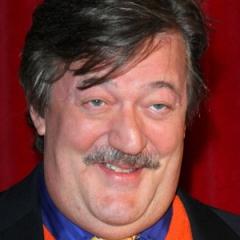
Stephen Fry
Stephen Fry

Stephen Fry is a British comedian, writer, actor, and broadcaster, known for his unique sense of humor and intelligence. He is one of the iconic figures in the British comedy scene. Born on August 24, 1957, Fry has been active in television and radio since the 1980s, gaining widespread popularity for his roles in comedy shows like 'Blackadder' and 'Jeeves and Wooster'. He has also appeared in numerous television series, films, and stage plays. more

You May Also Like

“Innate potential and ability represent the most potent form of energy within us. When this energy is unearthed from the layers of social conditioning, fear, and external expectations we use to hide it, our perception of the world shifts. The real world begins to reveal itself only when you start harvesting your true self and building a reality based on your authentic core.”

“Historicism is born of our despair in the rationality and responsibility of our actions. It is a debased hope and a debased faith, an attempt to replace the hope and the faith that springs from our moral enthusiasm and the contempt for success by a certainty that springs from a pseudo-science; a pseudoscience of the stars, or of ‘human nature,’ or of historical destiny.”

“I'm Ukrainian, actually. And I'm making my signature dish," he said slowly, meeting Ibáñez's stare. "More shocking than Rocky Mountain oysters." He nodded to Volière. "Rarer than ortolan. Maybe just as taboo, though." He turned to Katsuki. "And it does more than just dance around death. It reverses it." There was silence in the kitchen as they waited for the punch line, anxious to learn if the things they'd heard through the grapevine were true. "Well?" Volière prompted. "Qu'est-ce que c'est?" "I don't know." Kostya shrugged. "The Dead haven't fed it to me yet.”

“When his spirited guests showed up, he'd be their gracious host, their fearless leader. Their P.T. Barnum, full coat and tails and freaky pyrotechnics. Their Virgil, a voice of calm as they navigated the unknowable. Their Pac-Man, drawing them stealthily out of the maze with delicious fruits and no whammies. He'd be the maker of their dreams, the miner of their memories, the mouthpiece for their taste buds and tongues and every gut feeling. Their Chef d'Esprit.”

“Sweet, tart, tangy soup. Slim strips of boiled cabbage. Carrot. Potato. Cubed and stewed. A single chunk of beef chuck, boiled so long it dissolved in the broth. Beet, cubed and blanched till its color faded to pink and dyed everything else in the pot maroon. Something zesty, below and above--- tomato paste? Pizza sauce? Oh, gross--- ketchup (?!!!) and a swirl of (blasphemy!) Miracle Whip. Borscht. With unorthodox trimmings. "Who puts ketchup in borscht?" Kostya wondered aloud. "Or Miracle Whip?" The petite brunette gasped. "Babushka Fira! But how did you---" she began, though Kostya wasn't listening. The kitchen seemed to go dim, everything muted but Viktor's face across the island, stunned surprise registered in his raised brows, a smirk. "Now we're in business," Kostya said.”

“Las metamorfosis del vampiro La mujer, entre tanto, retorciéndose igual que una serpiente en las brasas, y amasándose los pechos por encima de las ballenas del corsé dejaba deslizar de su boca de fresa estas palabras impregnadas de almizcle: —«Tengo los labios húmedos y conozco la ciencia de perder en una cama la antigua conciencia. Seco todas las lágrimas en mis pechos triunfantes y hago que los viejos se rían con risas infantiles. ¡Para quien me ve desnuda y sin velos, sustituyo a la luna, al sol, al cielo y a las estrellas! Cuando aprisiono a un hombre en mis temidos brazos, o cuando abandono mi busto a los mordiscos, tímida y libertina, frágil y robusta, soy, mi querido sabio, tan experta en deleites que sobre ese colchón que se desmaya de emoción, ¡los ángeles importantes se condenarían por mí!» Cuando me hubo chupado toda la médula de los huesos, y me volví hacia ella con languidez para darle un beso de amor, ¡no vi más que un odre de flancos viscosos, rebosante de pus! En mi helado terror, cerré los ojos, y cuando volví a abrirlos a la viva claridad, a mi lado, en lugar del fuerte maniquí que parecía haber hecho provisión de sangre entrechocaban en confusión unos restos de esqueleto, que producían un grito como el de una veleta o el de un cartel que, en la punta de una vara de hierro, el viento balancea en las noches de invierno.”