Quotessence
Home / Quotes / Quote by David Grossman

Quote by David Grossman

“Mi ha fatto molto piacere e mi ha fatto anche molto male. Non avevo mai conosciuto in vita mia un piacere e un dolore simili, così fusi insieme. Prometto che non ti scriverò e che non cercherò di mettermi in contatto con te. Non ti importunerò mai più. A malincuore chiuderò la porta che ti ho aperto con tanta gioia. Ma se per qualche motivo deciderai di di tornare da me, devi sapere che in questa fase della mia vita ho bisogno della tua disponibilità più completa e della tua capacità di comprensione più profonda. Ho bisogno che tu fluisca liberamente verso di me, senza alcun ostacolo esterno. Ne ho bisogno come dell'aria che respiro. Se non puoi donarmi tutto questo, non venire. Davvero: non venire. Perché probabilmente mi sono sbagliata sul tuo conto...”

Quote by David Grossman

Author
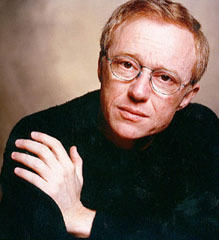
David Grossman
David Grossman

David Grossman is an Israeli author known for his profound literary style and deep insights into war. His works often explore themes of family, love, and war, and are highly appreciated by readers. more

You May Also Like

“I libri scritti per pura bontà sono rarissimi. Sono opere che si creano in abiezione e in solitudine, ben sapendo che dopo averle scagliate in faccia al mondo si sarà ancora più soli e più abietti. È normale, la principale caratteristica della gentilezza disinteressata è di essere irriconoscibile, inconoscibile, invisibile, insospettabile, perché un beneficio che dica il suo nome non è mai disinteressato.”

“On the one hand, these filmmakers are the descendants of the May Fourth movement at the beginning of the century. One of the important ideological components of the May Fourth movement was its radical antitraditional stance, exemplified by its famous slogan: "Smash the Confucian Temple" (zalan kongjiadian).”

“All I cared about was if the shot was pretty,' she said. 'You're a young filmmaker and you get a nice lens and the dailies can make it seem like you got a movie, but you don’t. You start editing it and realize you’re left with a bunch of beautiful images, but no story. Everyone on set is too easily impressed by a nice camera. And then there’s the writing. I guess it’s a pet peeve—when perfect people write in disease or abuse in order to make a story emotional. It hurts me. There doesn’t need to be cancer or death. I would cry at a simple line—like... a sad husband telling his wife that he’s concerned their dog is the only thing that keeps their marriage interesting.”