“If men and women need freedom and mobility, they also need a sense of tradition and belonging. There is nothing retrograde about roots. The postmodern cult of the migrant, which sometimes succeeds in making migrants sound even more enviable than rock stars, is a good deal too supercilious in this respect. It is a hangover from the modernist cult of the exile, the Satanic artist who scorns the suburban masses and plucks an elitist virtue out of his enforced dispossession. The problem at the moment is that the rich have mobility while the poor have locality. Or rather, the poor have locality until the rich get their hands on it. The rich are global and the poor are local - though just as poverty is a global fact, so the rich are coming to appreciate the benefits of locality.”
Quote by Terry Eagleton
Book:After Theory
Work
After Theory
Browse quotes and source details for this work. more
Author
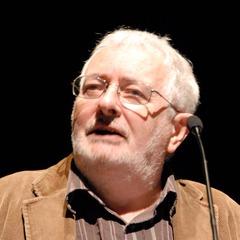
Terry Eagleton
Terry Eagleton is a renowned British literary critic, known for his research on Marxist literary theory. His work spans a wide range of literary and theoretical topics, influencing cultural studies and political commentary as well. more
You May Also Like
Source: Talent Economics: The Fine Line Between Winning and Losing the Global War for Talent
Source: Dealing in Desire: Asian Ascendancy, Western Decline, and the Hidden Currencies of Global Sex Work
Source: A New Idea of India: Individual Rights in a Civilisational State
Source: Sips And Little Portions
Source: Presto!: How I Made Over 100 Pounds Disappear and Other Magical Tales
“Fear of rejection can slowly turn into fear of connection.”
Source: The Art of Being Real: A Journey to Honest Living
Source: Bikenomics: How Bicycling Can Save The Economy